Ayahuasca Integration: What Actually Happens After the Retreat
What integration means in practice, what Peru's centers offer, realistic first weeks home, and the signs it is time to bring in professional help.
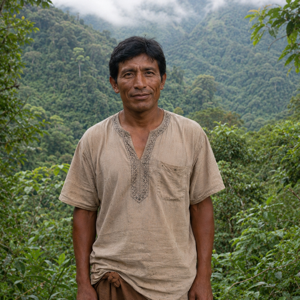 By Luis Quispe, Peru-based retreat facilitator

The hardest ceremony is the baggage claim. That is a joke guests make on the boat back to Iquitos, and like most retreat jokes it is completely serious. Seven days of dieta, four ceremonies, a week of jungle quiet, and then an airport, a phone with 400 notifications, and a Monday. The distance between those two worlds is where integration lives, and it is the part of the ayahuasca process that gets the least attention before the trip and matters the most after it.
Reddit's retreat veterans list integration support among the things that separate good centers from tourist factories, right beside screening and group size. They are right. Here is what the word actually means, what Peru's centers offer, and what the first weeks home realistically look like.
What does integration actually mean?
Making the insights survive contact with your normal life. Ceremony experiences arrive fast, strange, and emotionally loud; integration is the slower work of deciding what they mean and letting them change something concrete: a habit, a relationship, a way of talking to yourself. Without that second half, even a powerful retreat fades into a story you tell at parties.

The concept is not retreat-industry marketing. Harm-reduction bodies like ICEERS treat preparation and integration as the two supports on either side of ceremony, and its safety and support materials frame the days and weeks after drinking as part of the process itself, not an afterthought. The medicine ends in hours. The processing runs on its own schedule.
A useful frame I give guests: the ceremony asks questions, integration answers them. If a vision showed you something painful about how you treat your partner, the integration is not decoding jungle symbolism, it is the conversation you have when you get home.
What do the first two weeks home actually look like?
Quieter than you expect, and stranger. Most people land in a window that mixes unusual openness with unusual rawness: emotions close to the surface, sleep a little off, ordinary noise, news, supermarkets, feeling oddly aggressive. None of that is malfunction. It is the normal wake behind a big experience.
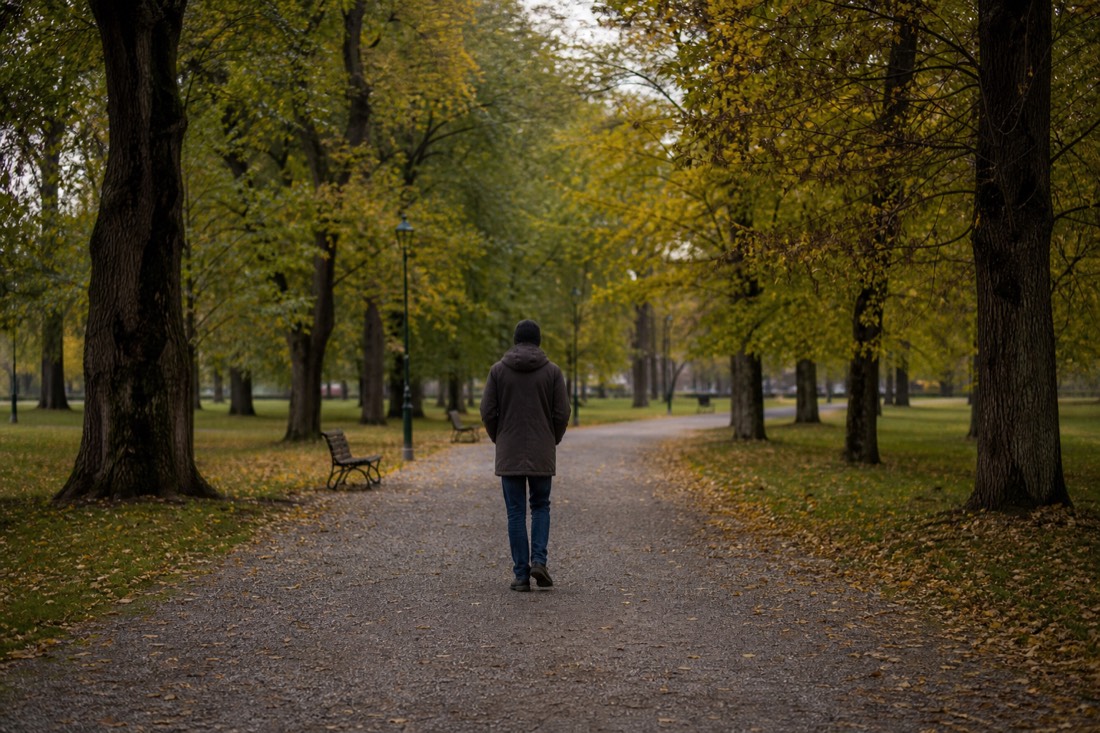
The practices that hold people steady in that window are almost embarrassingly simple:
- Write daily, even badly. The ceremony details evaporate faster than anyone believes. Ten minutes a morning preserves the material you will be working with for months.
- Keep the diet gently, not religiously. Coming straight off the dieta into alcohol and heavy food is the classic regret. Taper back over a week or two; our dieta explainer covers what the restrictions were doing in the first place.
- Protect empty time. A daily walk without headphones does more integration than any podcast about integration.
- Tell one or two people, not everyone. You need a witness, not an audience.
- Make no big decisions for at least two weeks. The post-retreat urge to quit jobs and end relationships is real, and sometimes correct, and never urgent. If it is true now, it will still be true in a month.
What you should not do is book flights home for the morning after your last ceremony. Guests I support who leave a buffer day consistently land softer than the ones who sprint to the airport.
What integration support do Peru's centers offer?
More than they used to, and unevenly, which makes it a real selection criterion. At minimum, look for structured sharing circles between ceremonies, time with the facilitators to talk through what happened while it is fresh. Small family-run centers often do this best simply because of scale: at a six-guest center like AyaSelva, sharing and integration sessions are built into the program and nobody disappears into a crowd.
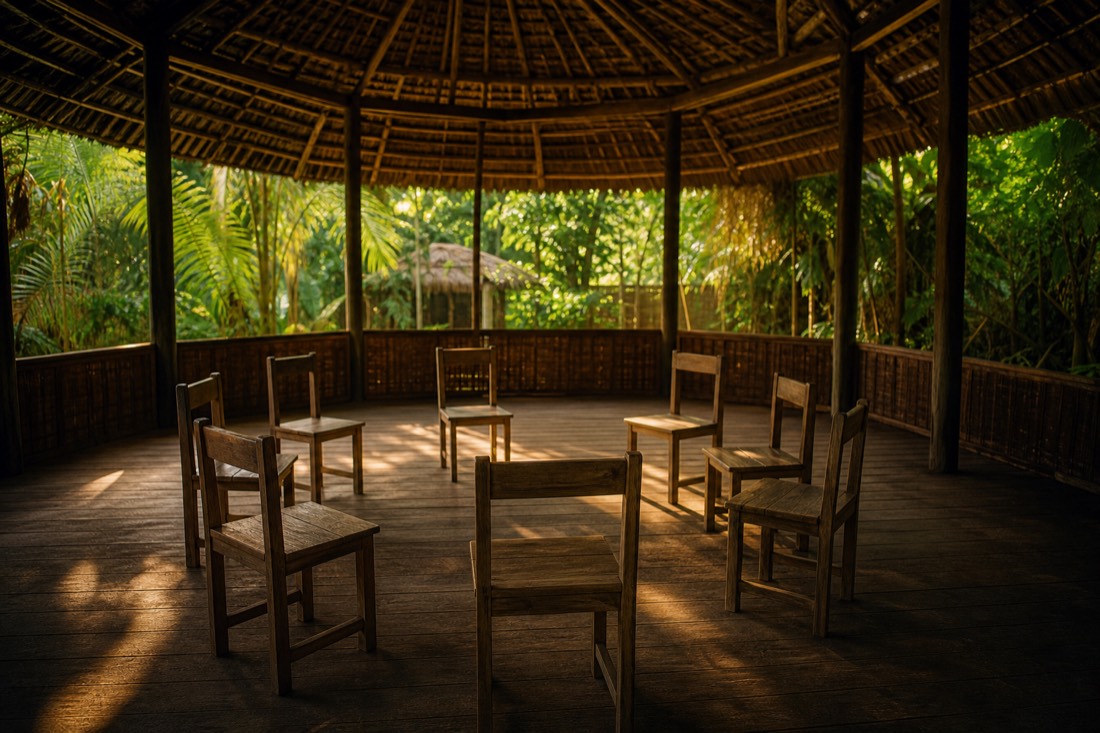
Some centers carry a specific reputation for it. Paojilhuasca near Iquitos gets named by Reddit users precisely for small groups with integration support alongside its budget pricing, which is part of why it earns its community-tier listing. At the professional end, the Temple of the Way of Light's whole model, longer programs, high staffing, careful guidance, treats the processing between ceremonies as seriously as the ceremonies themselves, and Reddit calls it one of the most carefully guided centers in Peru for exactly that reason.
Ask any center you are considering three questions: what happens between ceremonies, what happens the day I leave, and is anyone reachable a month later. The answers separate programs that end at the last cup from programs that end when you are actually home. If aftercare is the thing you care most about, tell us that in a message and we will point you to the centers that take it seriously; it is a free question with a concrete answer.
When should you seek professional help?
When the wake does not settle. Most post-retreat turbulence, vivid dreams, mood swings, a few odd days, fades within a couple of weeks. A minority of people hit something stickier, and the honest markers for bringing in a professional are:

- Insomnia or panic that persists past two or three weeks
- Feeling detached from reality, or from yourself, in a way that is not lifting
- A mood crash that deepens instead of levels
- Any experience of losing the thread of what is real, however brief
That last one is urgent, not eventual. Psychosis risk is the reason serious centers screen for personal and family psychiatric history, per the ICEERS safety profile, and anyone who slipped through screening and is struggling should see a psychiatrist promptly, not a breathwork coach.
For the non-urgent cases, therapists who work with psychedelic integration now exist in most large cities and online; look for a licensed clinician who lists psychedelic integration in their practice, and treat the license as non-negotiable. Two hard rules regardless of who you see. First, if you are on psychiatric medication, or stopped it for the retreat, every restart and adjustment goes through your prescribing doctor, never through forum advice. Second, do not treat another ceremony as the fix for a rough integration; more input is not the answer to unprocessed input. Our guide on who should avoid ayahuasca covers the risk factors that make professional backup worth arranging before you ever fly.
Which practices hold up over the following months?
The boring ones, kept small. Guests who report durable change a year out almost never describe elaborate protocols. They describe one or two ceremony insights converted into daily-sized habits: a man who understood something about his anger and now walks before difficult conversations; a woman whose ceremonies kept returning to her sister, so she calls her every Sunday now. Small hinges, moved deliberately.
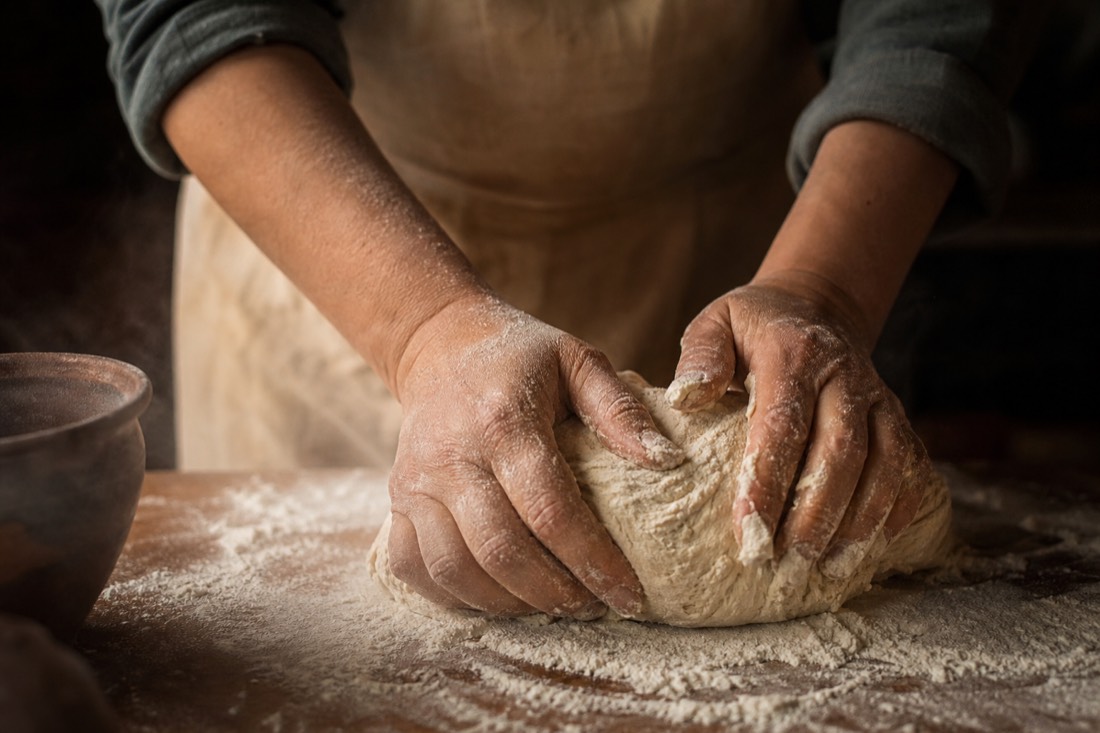
A structure that works for many people: revisit the retreat journal monthly, pick the one theme that still feels alive, and give it a single concrete expression for the next month. Meditation, movement, and time outdoors are the usual supporting cast, valuable less as spiritual practice than as ways of keeping the nervous system quiet enough to notice what you are doing.
And on the question everyone eventually asks, when to drink again: when the last retreat is fully metabolized and a new, specific reason exists, not on an anniversary reflex. The community rule of thumb in our piece on how many ceremonies you need applies across trips too. The medicine rewards spacing.
Centers our research points to for this topic. Nobody pays for placement; every card links our full, sourced review.

Tarapoto / Pucallpaon request
Takiwasi Center
rating not on file yet
Directory-listed
Read the full review →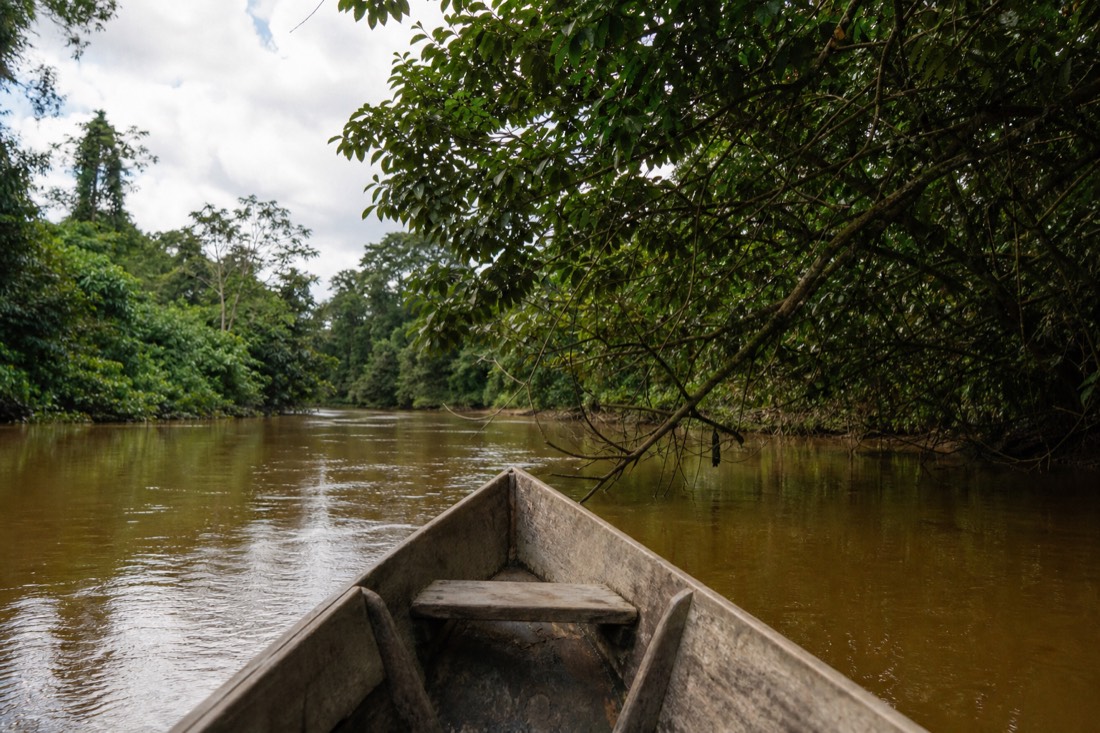
Iquitos / Amazonfrom $1,250from 10 days
Psychonauta Foundation
★ 4.93 across 132 Retreat.guru
Directory-listed
Read the full review →
Iquitos / Amazon$1,200–$1,8007 or 12 daysmax 6 guests
AyaSelva Our pick
★ 5 across 29 Google reviews
Publishes real medical screening detail
Read the full review →What integration mistakes do people regret most?
Talking too much, moving too fast, and outsourcing the work. The pattern shows up so consistently in retreat sharing circles and forum retrospectives that it is worth naming each part.

Evangelizing is the classic. The retreat felt profound, so the newly returned spend their openness arguing with skeptical relatives, and turn the most tender material they have into a debate topic. Give it a season before you make it your personality. Rushing back is the second: landing Sunday, presenting Monday, then wondering why the insights dissolved by Friday. Even one buffer day changes the slope. Outsourcing is the subtlest: chasing the next retreat, the next modality, the next teacher, as if accumulation were integration. The centers themselves, the good ones, will tell you the ceremony was the introduction and the homework is yours.
None of this is complicated. It is just easy to skip, and the whole return on your retreat rides on not skipping it. If you are still choosing where to go, weight aftercare as heavily as ceremony count; the full comparison shows which researched centers build it in, and our safety page covers the screening questions that belong in the same conversation.