Ayahuasca Retreat Safety for Solo Women: A Grounded Guide
What the record shows, what makes a center structurally safer for women traveling alone, vetting questions to ask, and which Peru centers stand out.
 By Luis Quispe, Peru-based retreat facilitator
A lot of the women asking about Peru on r/Ayahuasca ask some version of the same question: is it safe to do this alone? Not "is ayahuasca safe," a different question with its own answer, but specifically: alone, female, in a remote place, in an unregulated industry, in the most vulnerable state a person can be in. It is a rational question. It deserves a factual answer, not reassurance and not alarm.
Here is our honest attempt at one, built from documented reporting, the safety literature, and the first-hand accounts of women who have done it. The summary up front: the risk is real and documented in general, thousands of women do this every year without incident, and the difference between those outcomes is mostly structural. Structure can be vetted before you pay a deposit.
What does the record actually show?
Two things are true at once. First: sexual misconduct at Amazon retreats is a documented pattern, not a rumor. The BBC has reported on it in depth, including coercion of guests during vulnerable states, and researchers at Chacruna have published safety guidance specifically because the pattern exists. Peru's retreat industry has no licensing body; the US Embassy in Peru warns that facilities operate without health and safety oversight.
Second: the reporting does not support naming and shaming a list of Peru centers, and we will not invent one. Our research pass found no documented misconduct incident at any center we list. What the record supports is this: the risk concentrates where structure is absent, and it is managed the way any structural risk is managed, by choosing the structure. That is genuinely good news, because structure is visible from the outside if you know what to look for.
Hold both truths at once and the question changes shape. It stops being "is this safe for a woman alone," which has no single answer, and becomes "does this specific center have the structure that makes it safe," which does. The rest of this piece is about answering the second question before you pay anyone.
Why do small groups and present owners change the math?
Ceremony is a state of maximum vulnerability: dark, altered, physically weak, often purging. Safety in that state is about who is in the room and what accountability surrounds them. The fears women name on Reddit map onto exactly this: disruptive guests no staff controls, being alone in a big group where no one tracks you, operators nobody can hold to account.
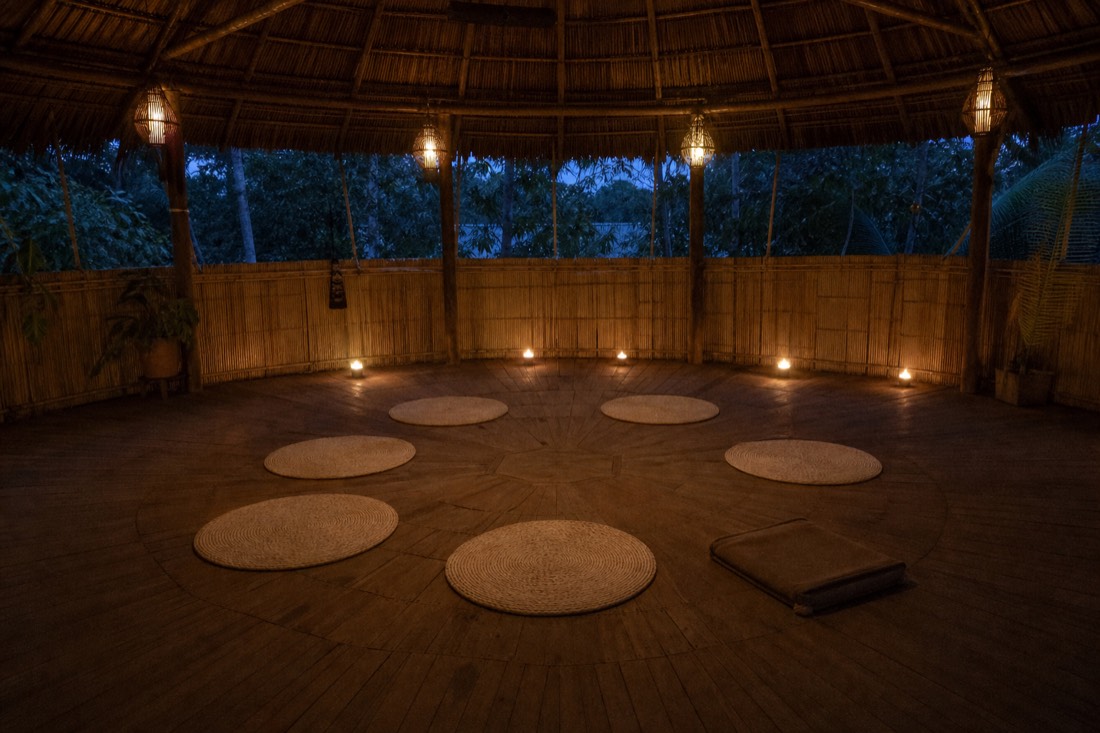
Small groups shrink every one of those risks at once. Six guests means the facilitators see everything that happens in the room, all night. An owner who lives on site and drinks with the community has a reputation to lose that a rotating staff does not. High facilitator-to-guest ratios are one of the retrospective markers Reddit guests cite when they describe retreats that felt safe, alongside real screening and genuine owner care. None of this guarantees anything. It just moves the odds in the only direction you control.
The inverse pattern is just as clear in the bad accounts. When guests describe retreats that went wrong for them, the recurring elements are tourist-factory scale, staff who did not control a disruptive participant, and nobody clearly in charge when a problem surfaced. Notice that none of those is exotic. They are ordinary management failures, the kind you can probe with ordinary questions before booking, which is exactly what the checklist further down is for.
What does the safety literature say to require?
The ICEERS-grounded pre-booking checklist we use across this site includes an item written for exactly this concern: female-guest safety protocols, meaning female facilitators present in ceremony and a policy of no solo shaman-guest interactions. Those two lines are the spine of your vetting. The wider checklist, screening, ratios, emergency plans, lives on our safety page, and the ICEERS ayahuasca safety hub publishes the underlying guidance.
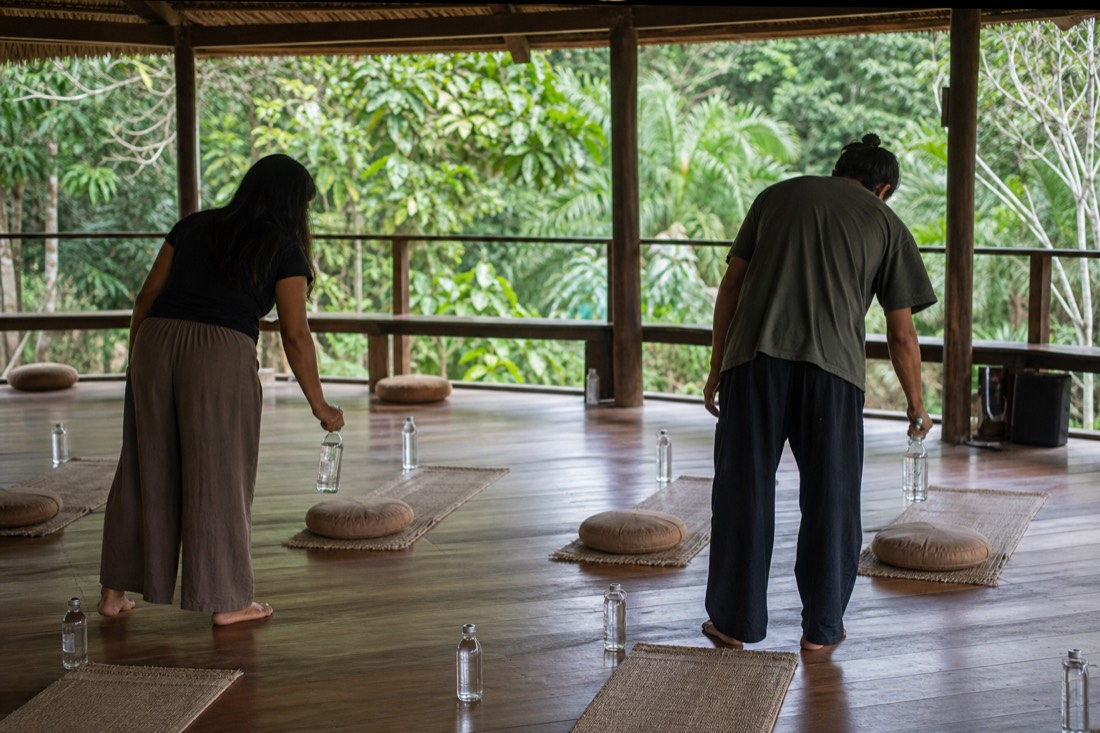
The logic is simple. Most documented harm involves an authority figure alone with a guest in or around ceremony states. A center that never lets that situation arise, structurally, by policy, has removed the main vector rather than promising good behavior. When you ask a center about this and they answer with "our shaman is a good man," that is a non-answer. The right answer describes a system: who is in the room, of what gender, at what ratio, and what happens if a guest raises a concern.
Which listed centers stand out for solo women?
Flower of Life near Iquitos is the center women on Reddit name unprompted. It is owned and run by a woman, keeps groups to about six, and holds a 4.9 across 106 Google reviews. One woman's account in the 2026 recommendation thread says it directly: "It is owned and operated by a woman and a fantastic crew who take incredible care of their guests. ... As a woman who traveled there alone, I felt completely safe the entire time. Highly recommend!" That thread is public, read it in full here. Our caveat: program details and pricing were not verified in our pass, so ask them directly.
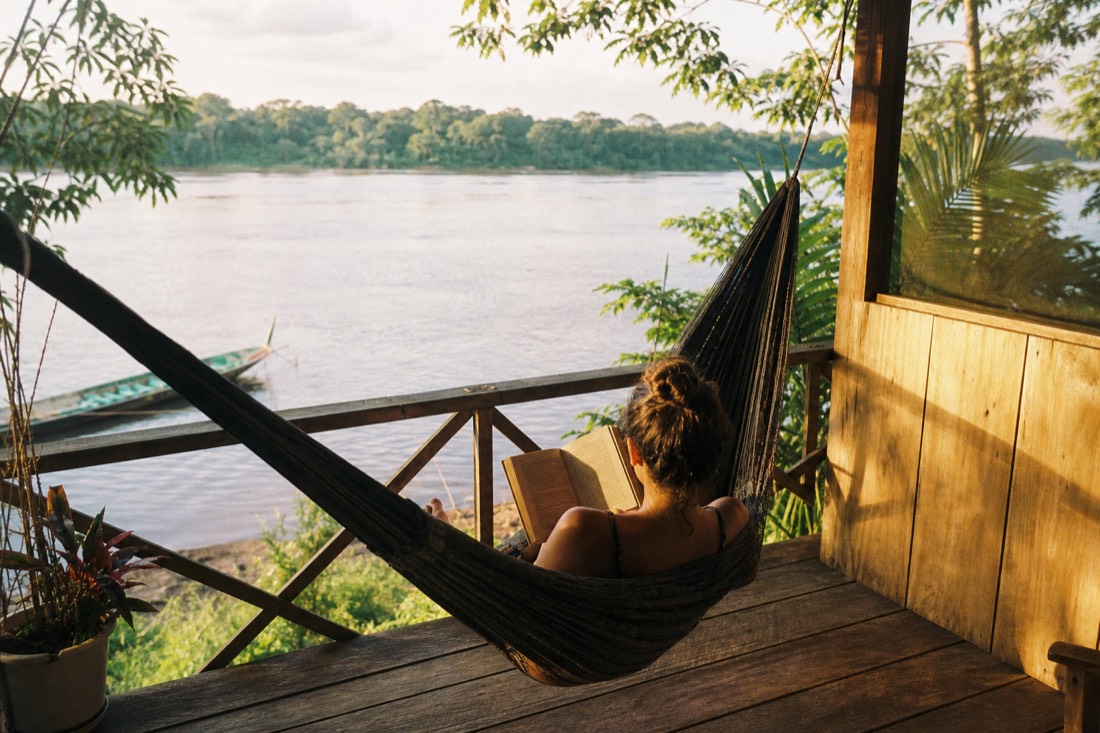
The Temple of the Way of Light stands out on structure at the other end of the scale: over 20 years of operation, healers who are both women and men, and the strictest documented screening in our research, developed with ICEERS and reviewed by a doctor and psychologist. Reddit calls it one of the most carefully and professionally guided centers in Peru. And among small centers, AyaSelva fits the structural profile this piece describes: family-run with a woman co-founder and her mother on staff, a six-guest cap, and screening before booking; its solo-guest reviews to date, few but consistent, are positive. Check each center's profile for what our verification did and did not cover.
What should you ask a center before booking?
Ask in writing, and keep the answers. Vague replies are data.
| Question | The answer you want |
|---|---|
| Who is in the ceremony room, and how many are women? | Named facilitators, at least one woman present through the whole ceremony |
| What is your facilitator-to-guest ratio at night? | A number, not "plenty of staff" |
| Is a guest ever alone with the shaman or a facilitator? | A clear no, as policy, including "healings" and check-ins |
| How do you screen guests, medically and otherwise? | A questionnaire plus a call at minimum; who reviews it |
| Who owns the center and are they on site? | A name, on site, reachable |
| What happens if I raise a concern mid-retreat? | A named person and a process, not "that has never happened" |
| Can I contact recent solo female guests? | Willingness, references, or public reviews from women |
If a center answers all seven cleanly, you have done more real vetting than most guests ever do. If you want us to sanity-check the answers you get back, forward them through the consultation form; we read this kind of reply all the time and it costs nothing.
Centers our research points to for this topic. Nobody pays for placement; every card links our full, sourced review.
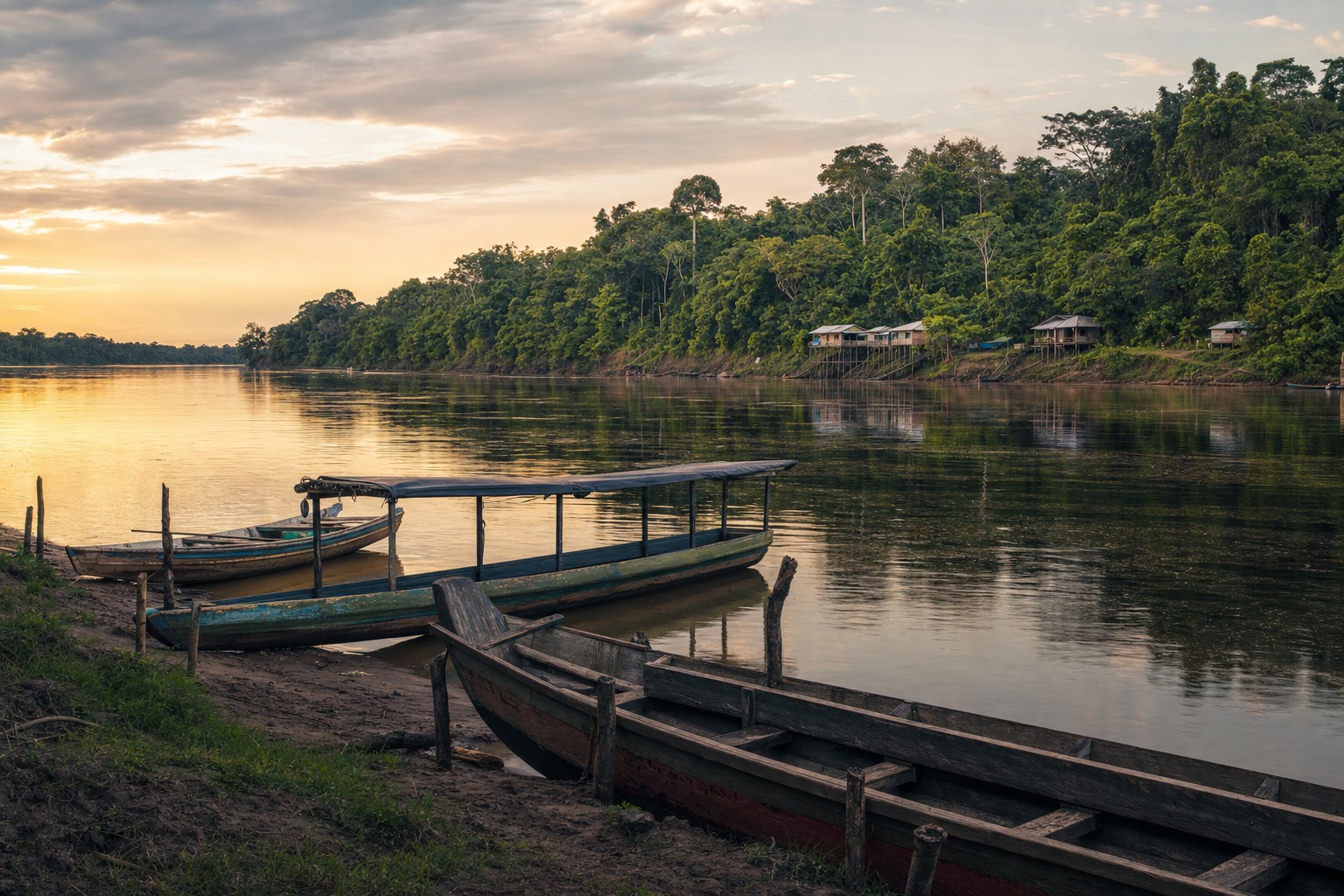
Iquitos / Amazonon requestsmall groups, around 6
Flower of Life
★ 4.9 across 106 Google reviews
Confirmed operating in 2026
Read the full review →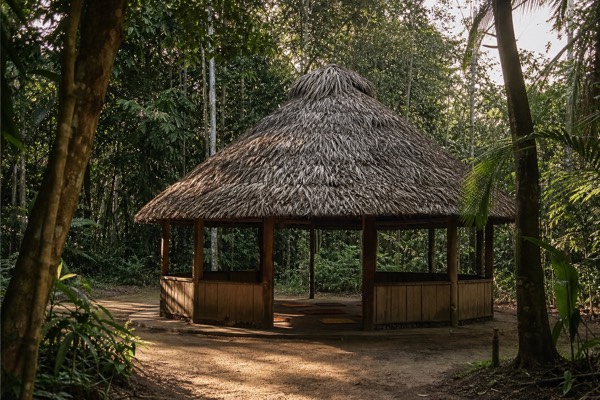
Iquitos / Amazon$1,200–$1,8007 or 12 daysmax 6 guests
AyaSelva Our pick
★ 5 across 29 Google reviews
Publishes real medical screening detail
Read the full review →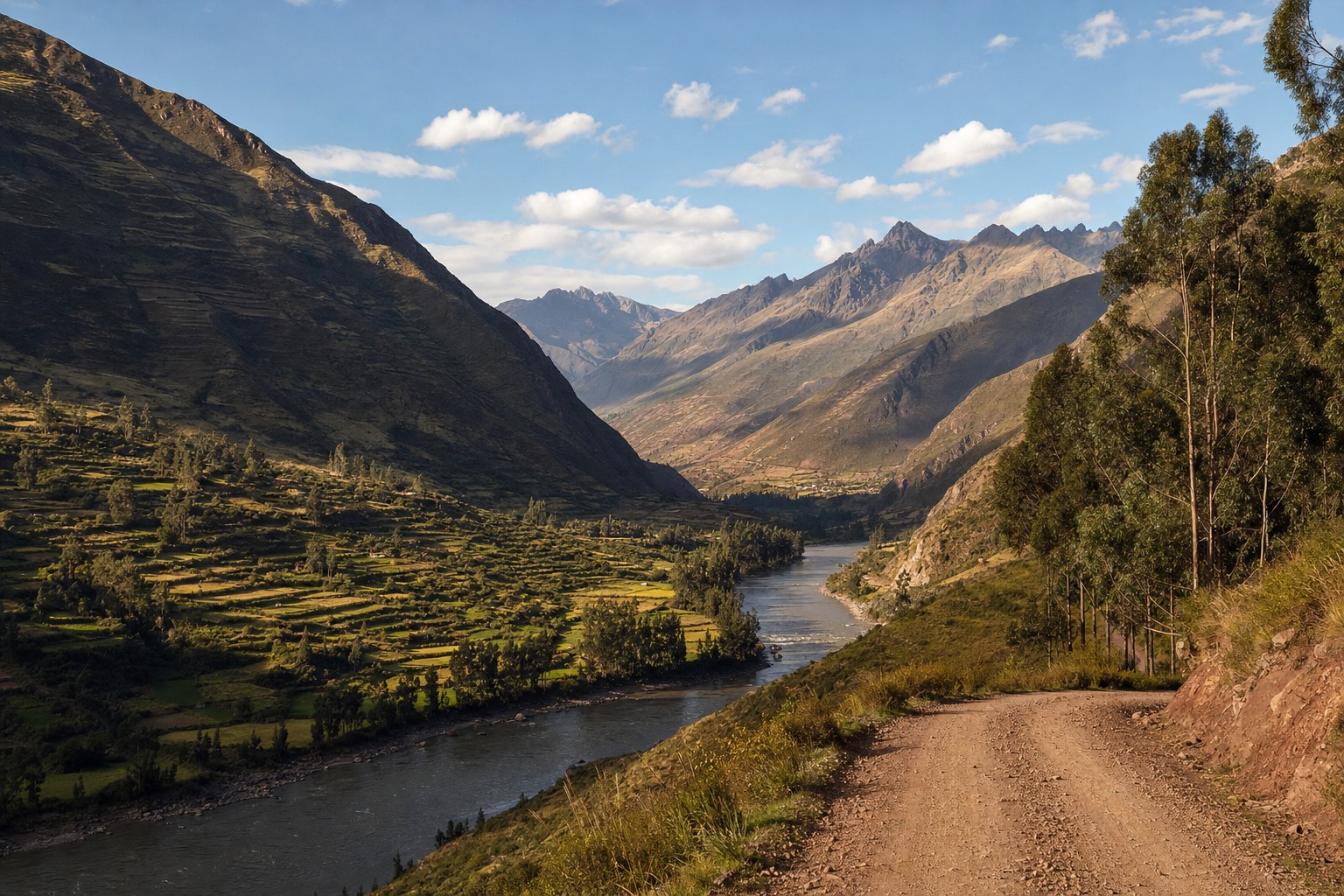
Cusco / Sacred Valleyfrom $1,1005 daysup to 18 guests
Etnikas
★ 4.4 across 71 Google reviews
Publishes real medical screening detail
Read the full review →What practical habits help on the ground?
The retreat is not the whole trip. You will also transit Lima and Iquitos or Cusco alone, and the standard solo-travel playbook applies: book your first night near the airport or in a well-reviewed district, use registered taxis or the transfer your center offers, and treat the center's pickup logistics as part of your vetting. A center like AyaSelva that meets guests at the Iquitos airport and handles the boat transfer end to end is removing the most improvisational part of the journey; whoever you book with, ask exactly how you get from the airport to the property and back.
Leave your full itinerary, center name, address and dates with someone at home, and tell them the days you will be unreachable; jungle centers often have little or no signal, so agree on when silence becomes a concern and when it is just the Amazon. Carry your own basics, keep your documents with you, and trust the same instincts you would anywhere else.
One more thing that deserves saying without euphemism. If something does happen at a retreat, during or after, it was not your failure of vetting, and reporting it matters: to the platform where the center is listed, in public reviews, and to your embassy. The documented cases came to light because women spoke. The community's collective safety information, the Reddit threads this piece leans on, exists for the same reason. If you would rather not do the vetting alone in the first place, tell us what matters most to you and we will shortlist centers whose structure matches it, free and without your details going anywhere.
Fear is not the goal of any of this. Hundreds of women sit in ceremonies in Peru every month, and the ones who report feeling completely safe almost always describe the same thing: a small, accountable, well-run center they chose carefully. Choosing carefully is a skill, and now you have the checklist. Start comparing structures on the comparison table, or read how to tell a legitimate shaman from a fake one next.