Iquitos vs the Sacred Valley for Ayahuasca, an Honest Comparison
Jungle or Andes? How Iquitos and the Sacred Valley differ on climate, altitude, access, tradition, center styles and cost, and who should pick which.
 By Luis Quispe, Peru-based retreat facilitator
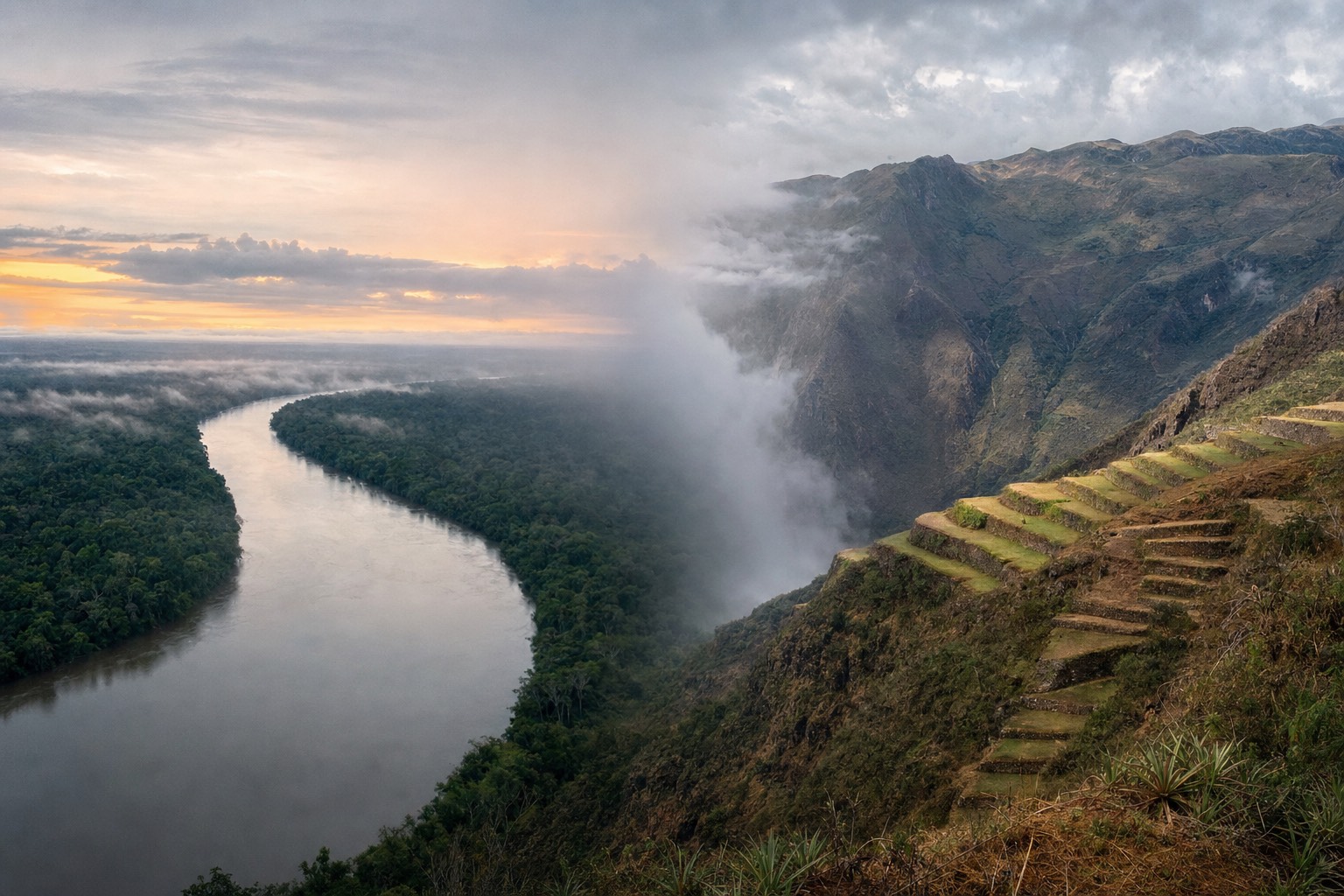
The two Perus could hardly be more different. One is a flat, humid river city you reach by plane, ringed by rainforest where the vine actually grows. The other is a chain of high Andean towns strung along the Urubamba river below Cusco, cool, dry and thick with tourism infrastructure. Both host real ayahuasca retreats. Reddit first-timers ask about the trade-off constantly, usually in one breath: bugs, comfort, altitude?
We track centers in both regions on our Iquitos and Amazon and Cusco and Sacred Valley pages, and the honest answer is that neither region is better. They select for different travelers. Here is the whole comparison, point by point.
How different are the two regions, really?
Start with the raw numbers from our research pass. Around Iquitos we verified more than a dozen operating centers with live websites, from six-guest family operations to the Temple of the Way of Light's twenty-person retreats. In the Cusco and Sacred Valley region the verified set is far smaller: Etnikas plus a handful of directory-listed programs like Willkamayuspirit in Urubamba, and organizers who fly healers in for retreats at Pisac venues.
That gap is not an accident of our method. The Amazon lowlands are where ayahuasca practice is native; the vine and chacruna grow there, and the healer families who carry the traditions live there. The Sacred Valley's ceremony scene largely imports the medicine and often the maestros. That does not make Andean retreats fake, some are well run and well reviewed, but it changes what surrounds you: in Loreto the tradition is the landscape, in the Valley it is a visiting practice inside a tourism economy built around Machu Picchu.
What is the climate like in each?
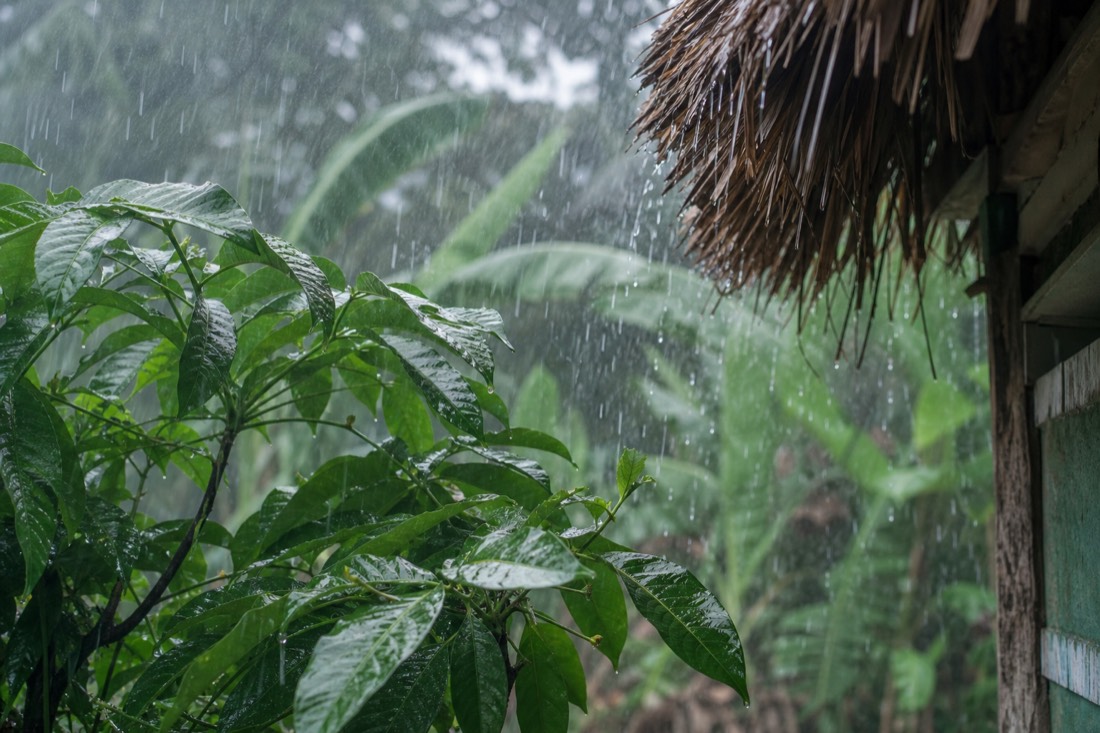
Iquitos is equatorial rainforest: hot, humid, and loud with insect life year-round. You will sweat through ceremonies, sleep under mosquito nets, and share the property with everything the jungle contains. Guests who love it describe exactly this as the point; the isolation and the density of living forest become part of the work. Guests who hate it, hate it before the first ceremony ends.
The Sacred Valley is the opposite: mountain air, cold nights, strong sun, low humidity, and far fewer bugs. If jungle heat is a genuine barrier for you, physically or psychologically, the Valley removes it. The comfort difference is not trivial across a week of purging, restricted diet and broken sleep. Know your own body and pick accordingly.
A practical note either way: pack for the climate you chose, not the one in the brochure photos. Jungle guests underestimate how wet everything stays; Valley guests underestimate how cold a 4 a.m. ceremony hour gets at altitude. Centers in both regions publish packing guidance, and following it is part of arriving ready.
Does the altitude in the Sacred Valley matter?
Yes, and it is the most concrete difference between the regions. Cusco sits at about 3,400 meters. The Sacred Valley towns below it are lower but still high, and most travelers feel the altitude for the first days: shorter breath, poor sleep, headaches. You would be stacking acclimatization on top of a purgative ceremony schedule and a restricted diet.
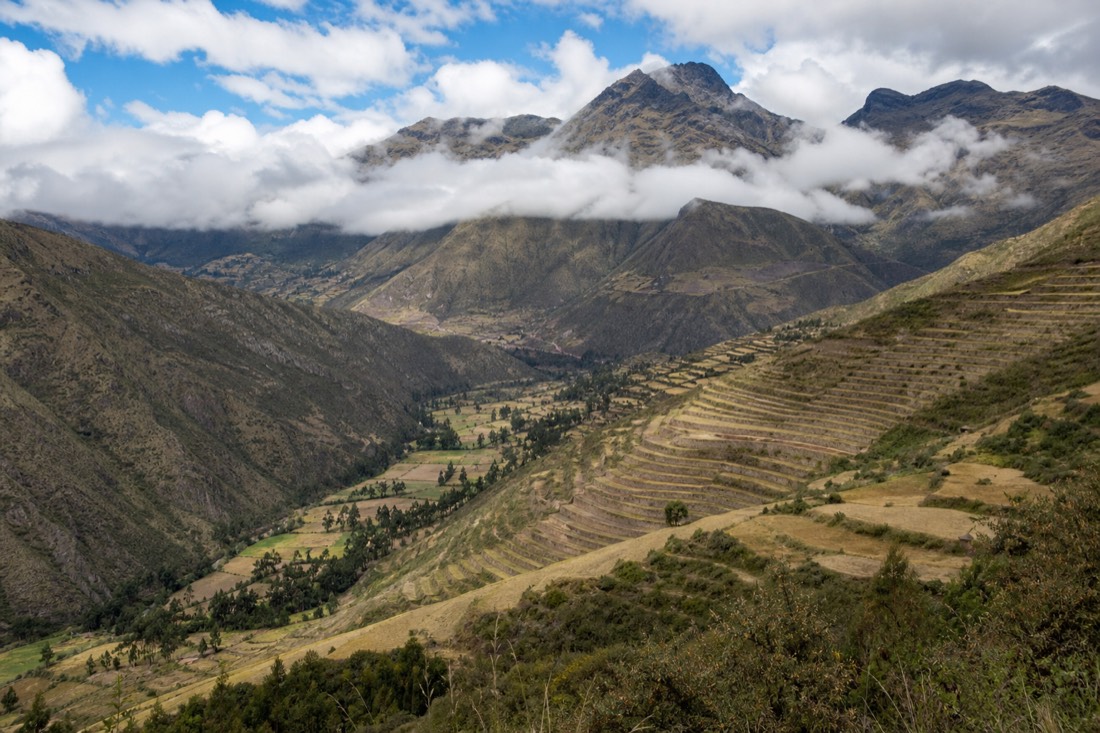
Ayahuasca itself raises blood pressure and heart rate, which is why serious cardiovascular conditions sit on the contraindication list published by ICEERS. Altitude works the cardiovascular system too. If you have any heart or blood pressure history, that combination belongs in front of your doctor before you book anything in the Andes, and in front of the center's screening. Iquitos, at jungle elevation, takes the altitude variable off the table entirely. If your medical picture makes this decision confusing, describe it to us through the consultation form and we will tell you which centers screen for it properly; that costs nothing.
Which region is easier to get to?
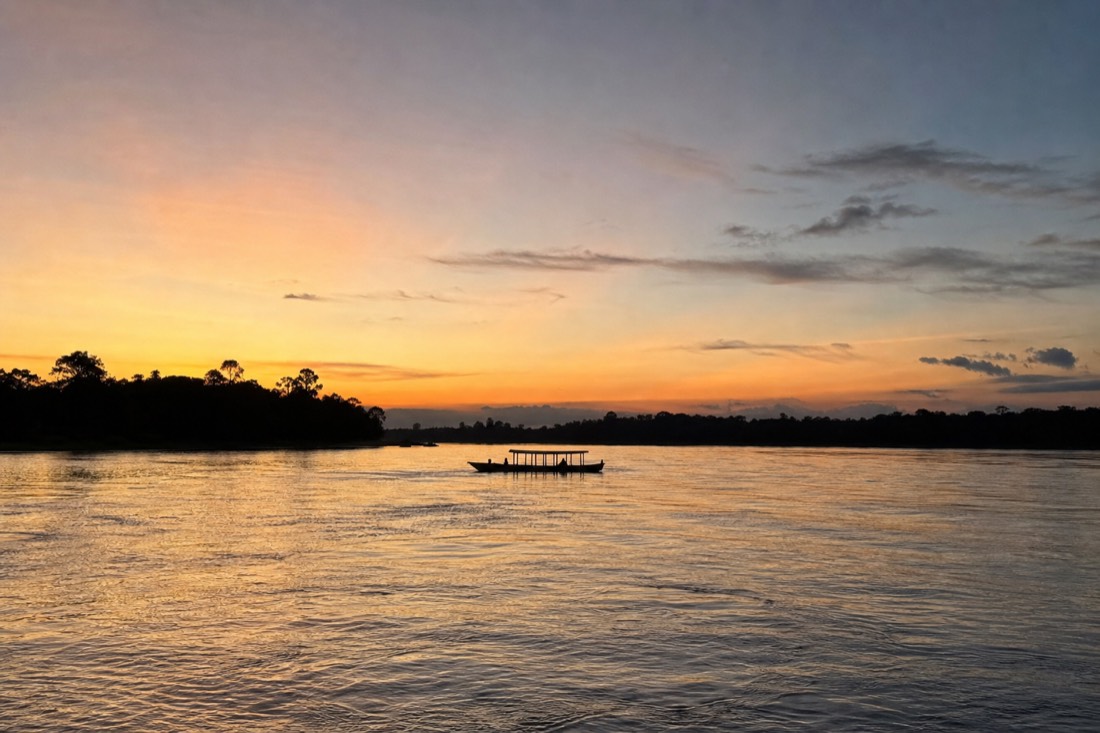
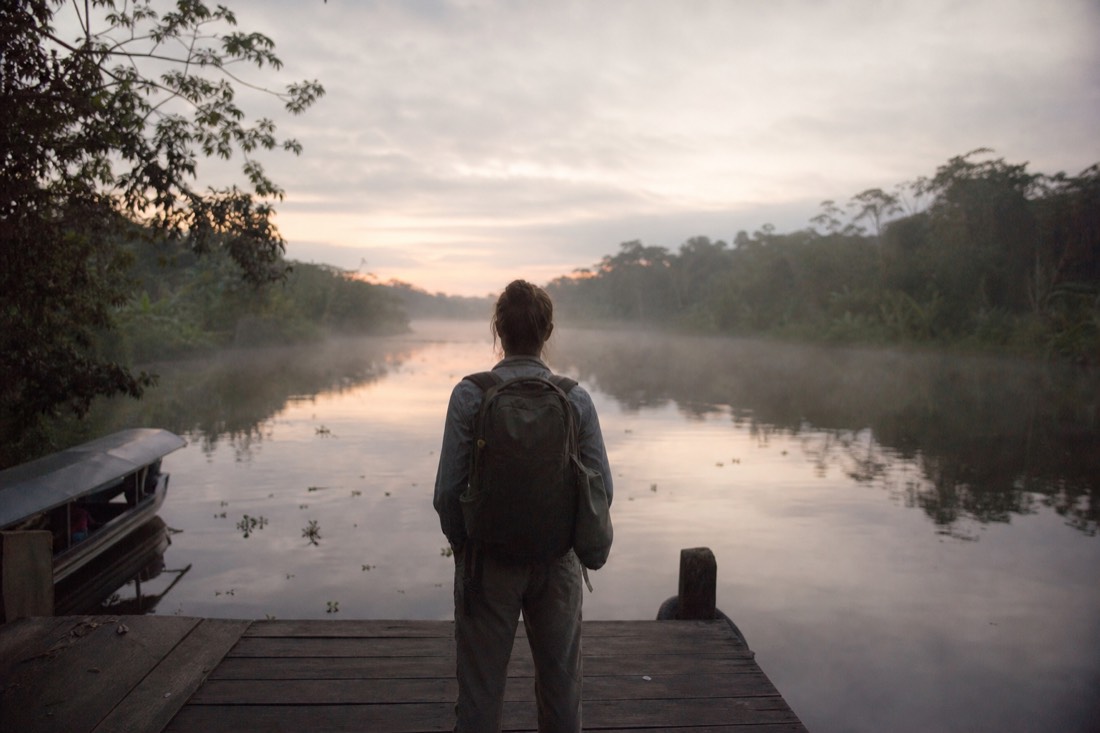
Neither is hard, but they are different kinds of journey. Iquitos has no road connection to the rest of Peru; you fly in from Lima, and the retreat usually handles the rest. At AyaSelva, for example, guests are picked up at the Iquitos airport, spend one night in the city, then travel by boat to the center in Tamshiyacu. That last river leg is common across Loreto centers and is part of why the jungle retreats feel so removed.
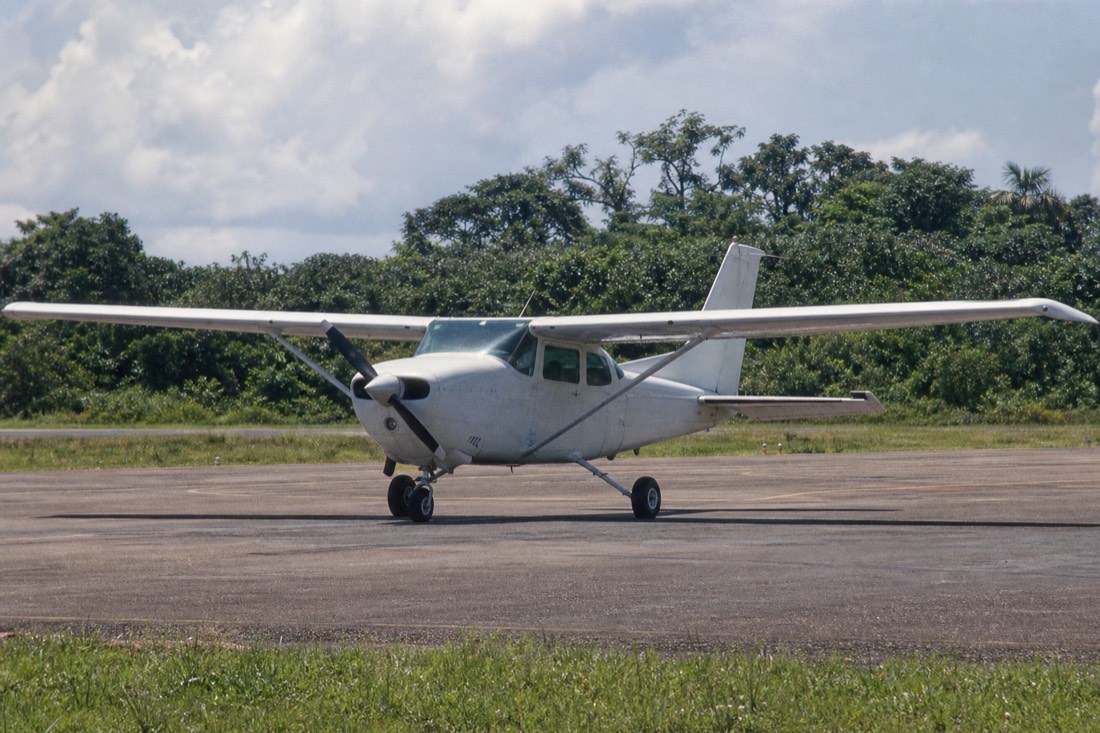
Cusco is one of the best-connected tourist cities in South America, with constant flights from Lima and a taxi ride down into the Valley. If you are already planning Machu Picchu, the Valley bolts onto that trip neatly, though we would gently push back on treating a ceremony as a stop on a sightseeing itinerary. The medicine deserves its own days, and so does your integration afterward.
Whichever region you choose, treat the transfer as part of your vetting. Ask the center in writing exactly how you get from the airport to the property and back, who meets you, and what happens if a flight is delayed. Well-run centers in both regions have a practiced answer; a shrug at this question tends to predict shrugs later, at moments that matter more.
What do the centers themselves look like in each region?
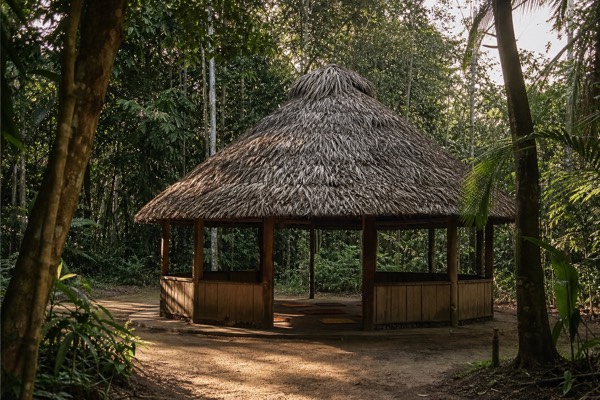
The styles differ as much as the landscapes. The Iquitos and wider Amazon scene is dominated by lineage-centered centers: Shipibo healer families at the Temple of the Way of Light and Nihue Rao, Mestizo curanderos at small operations like AyaSelva, decades-old sanctuaries like SpiritQuest, running since 1995. Formats range from four ceremonies in a week to multi-month master plant dietas.
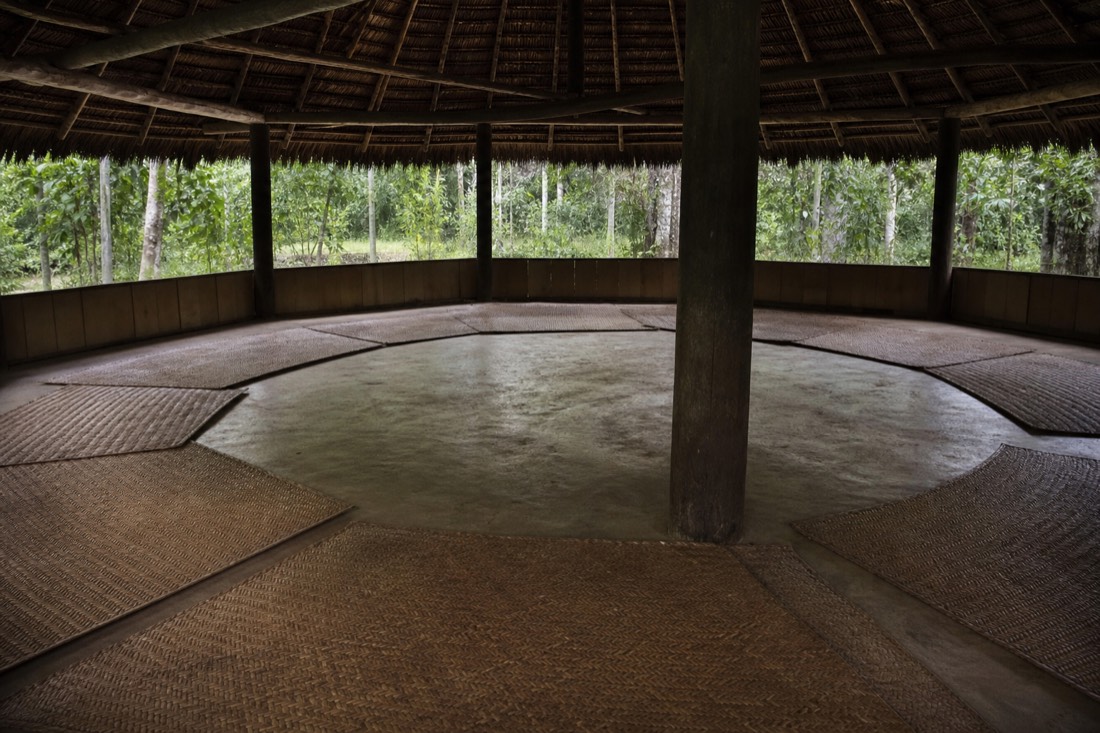
Sacred Valley centers skew toward the retreat-tourism model: comfortable lodging, shorter programs, more medical and wellness framing. Etnikas is the clearest example, recommended on Reddit specifically for its nurses and clinical approach. Real lineage does operate in the Andes too; a Cusco operation on the directories works in a Shipibo line passed down through master Ronin Soy. And some operations, like Arkana, run sites in both regions, which tells you the demand exists on both sides. For first-timers who want small groups and screening either way, our pick remains the jungle: our AyaSelva review explains why a six-guest center made our recommendation over bigger names.
Centers our research points to for this topic. Nobody pays for placement; every card links our full, sourced review.
Iquitos / Amazon$1,200–$1,8007 or 12 daysmax 6 guests
AyaSelva Our pick
★ 5 across 29 Google reviews
Publishes real medical screening detail
Read the full review →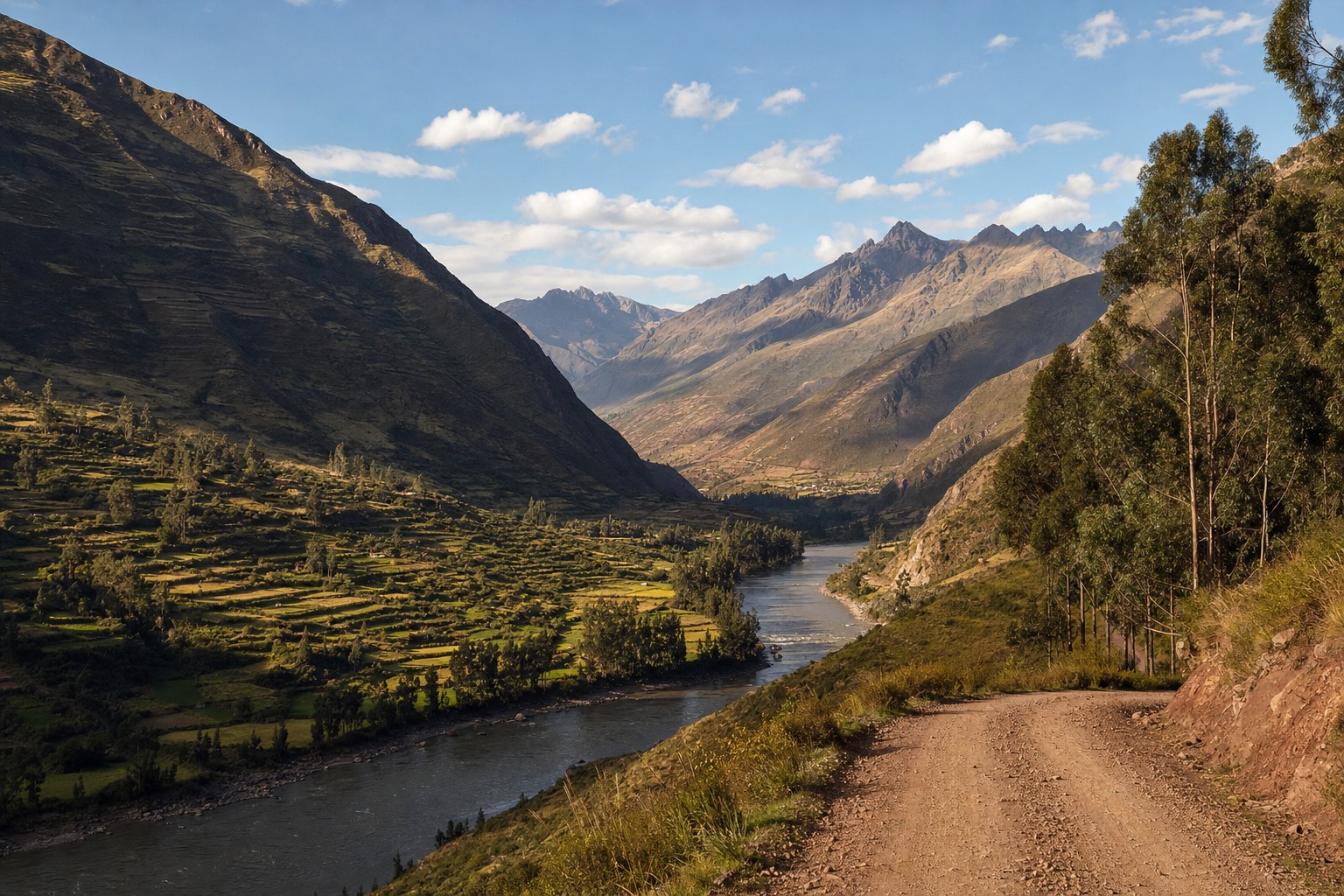
Cusco / Sacred Valleyfrom $1,1005 daysup to 18 guests
Etnikas
★ 4.4 across 71 Google reviews
Publishes real medical screening detail
Read the full review →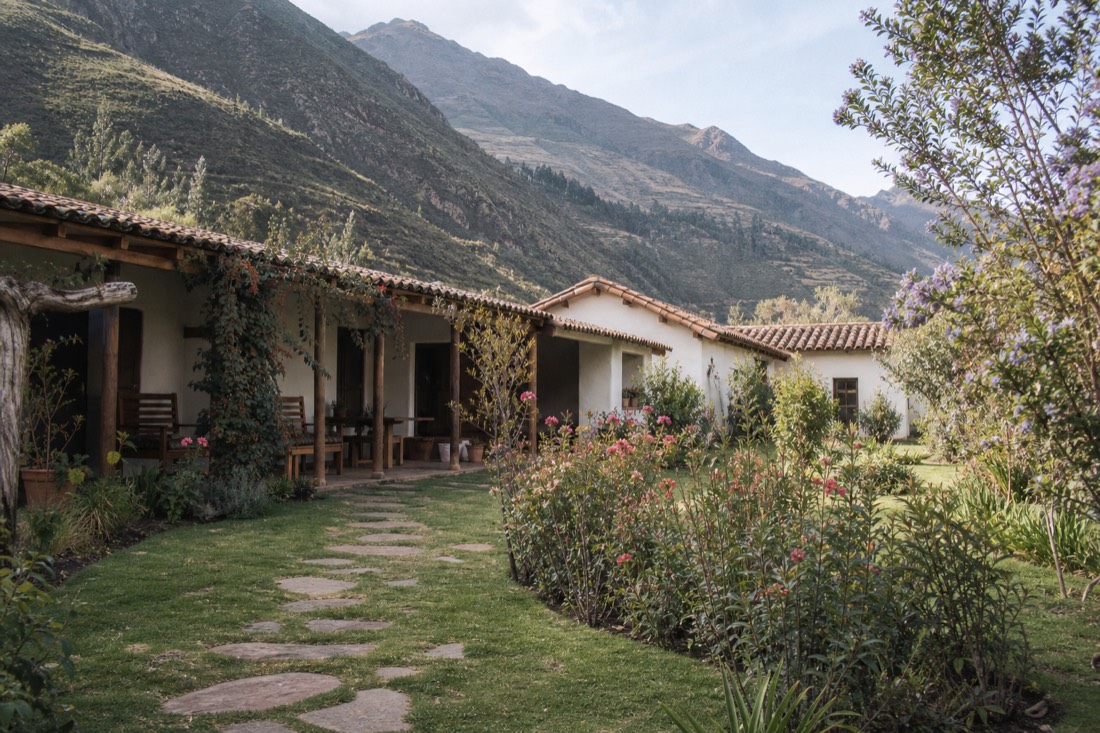
Cusco / Sacred Valleyon request
Anahata
rating not on file yet
Community-mentioned
Read the full review →What does each region cost?
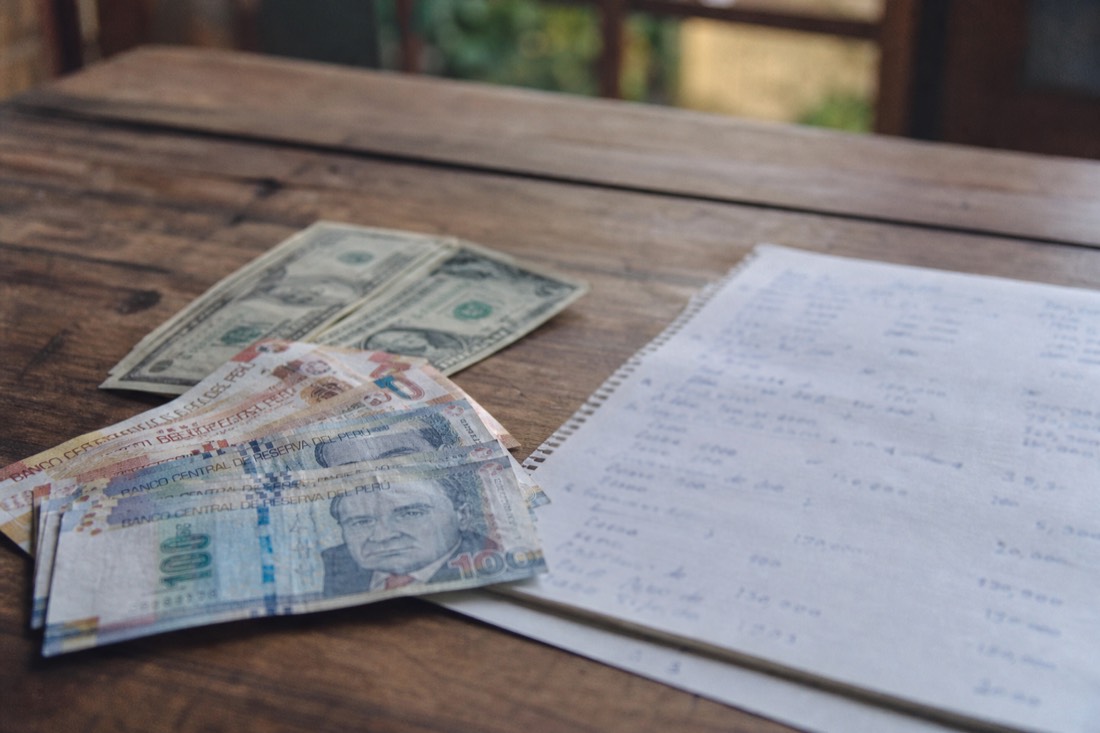
Both regions span budget to premium, and the region itself matters less to price than the center's positioning. The figures below are from operator sites and live directory listings in our research pass; confirm current prices directly.
| Region | Center | Program on file | Price on file |
|---|---|---|---|
| Iquitos / Amazon | Paojilhuasca | 8 days | from $800 |
| Iquitos / Amazon | AyaSelva | 7 days, 4 ceremonies | $1,200 |
| Iquitos / Amazon | Nihue Rao | 7+ days | from ~$1,600 |
| Iquitos / Amazon | Temple of the Way of Light | 12 days | $4,440 |
| Sacred Valley | Etnikas | 5 days | from ~$1,100 |
| Sacred Valley | Willkamayuspirit | 7 days | $1,377 |
| Sacred Valley | Amoraleza (Pisac venue) | 11 days | ~€3,100 |
The pattern we see: the Amazon offers the widest spread, including the cheapest credible options and the deepest traditional immersion, while the Valley clusters in the mid-range with comfort included. The full breakdown of what money buys at each tier lives in our cost guide and on the cost page.
So who should pick which?
Pick Iquitos and the Amazon if you want the tradition at its source, small lineage-run centers, the strongest immersion, the lowest budget options, or if any cardiovascular question makes altitude unwise. Accept heat, humidity, insects and remoteness as the price.
Pick the Sacred Valley if mountain climate suits your body better, if you need Cusco's easy access and comfort, if a medically framed container like Etnikas is what would let you relax into the work, or if the trip must fold into wider Peru travel. Accept the altitude, thinner tradition density, and check screening standards just as hard.
Here is the whole decision on one screen:
| Factor | Iquitos / Amazon | Cusco / Sacred Valley |
|---|---|---|
| Setting | Lowland rainforest, remote | High Andean valley, touristed |
| Climate | Hot, humid, insects | Cool, dry, strong sun |
| Altitude | None to speak of | Cusco ~3,400 m; plan acclimatization |
| Access | Fly from Lima, then road or boat | Fly to Cusco, drive down |
| Tradition | Native ground of the practice, lineage-run centers | Imported practice, wellness framing |
| Verified centers in our research | More than a dozen | A handful |
| Price spread on file | ~$800 to $4,440 | ~$1,100 to ~€3,100 |
| Fits best | Immersion, budget, cardiovascular caution | Comfort, access, combined travel |
Either way, vet the specific center, not the region; our comparison table puts every one we track side by side, and the safety checklist applies identically in jungle and mountains. Still stuck after reading both region pages? Send us your shortlist and we will give you a straight answer for free.