Ayahuasca and Machu Picchu: Combining a Sacred Valley Retreat With the Trek
How to build one Peru trip around both an ayahuasca retreat and Machu Picchu, with sequencing, altitude reality, and a 10-14 day itinerary.
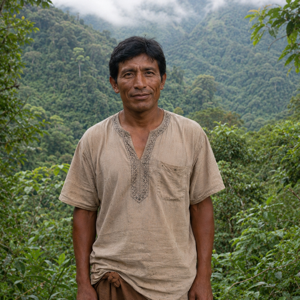 By Luis Quispe, Peru-based retreat facilitator
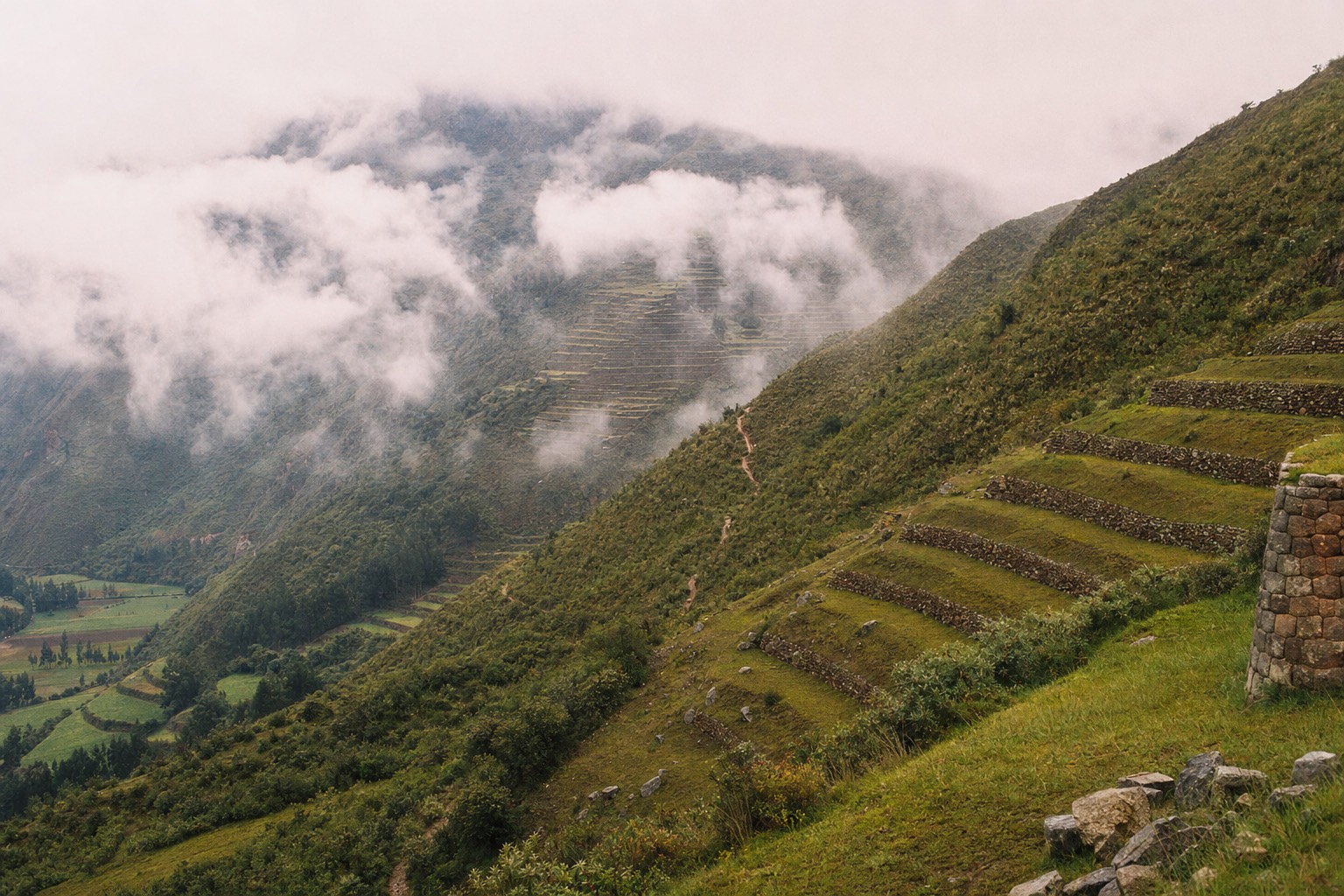
The train to Aguas Calientes leaves the Sacred Valley floor and follows the Urubamba river as the mountains close in, and somewhere along that ride most travelers realize the retreat center they researched and the citadel they came to see sit in the same valley system. "Ayahuasca retreat peru machu picchu" is a real search people run, and it is a reasonable one. You are flying to the other side of the world. Doing both in one trip is not just possible, it is how a lot of guests I support actually plan it.
The trick is sequencing. Get the order wrong and you will be hiking on a restricted diet or trying to integrate a ceremony while queuing for a bus at 5 a.m. Get it right and each half of the trip makes the other better.
Can you combine an ayahuasca retreat with Machu Picchu?
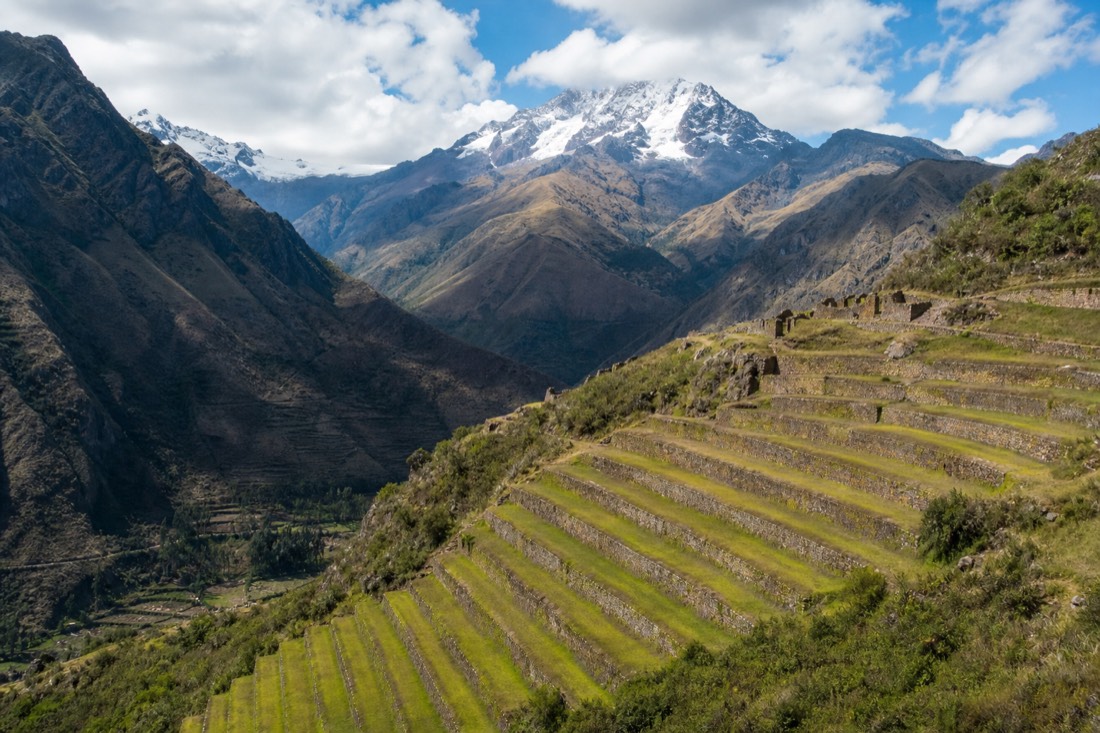
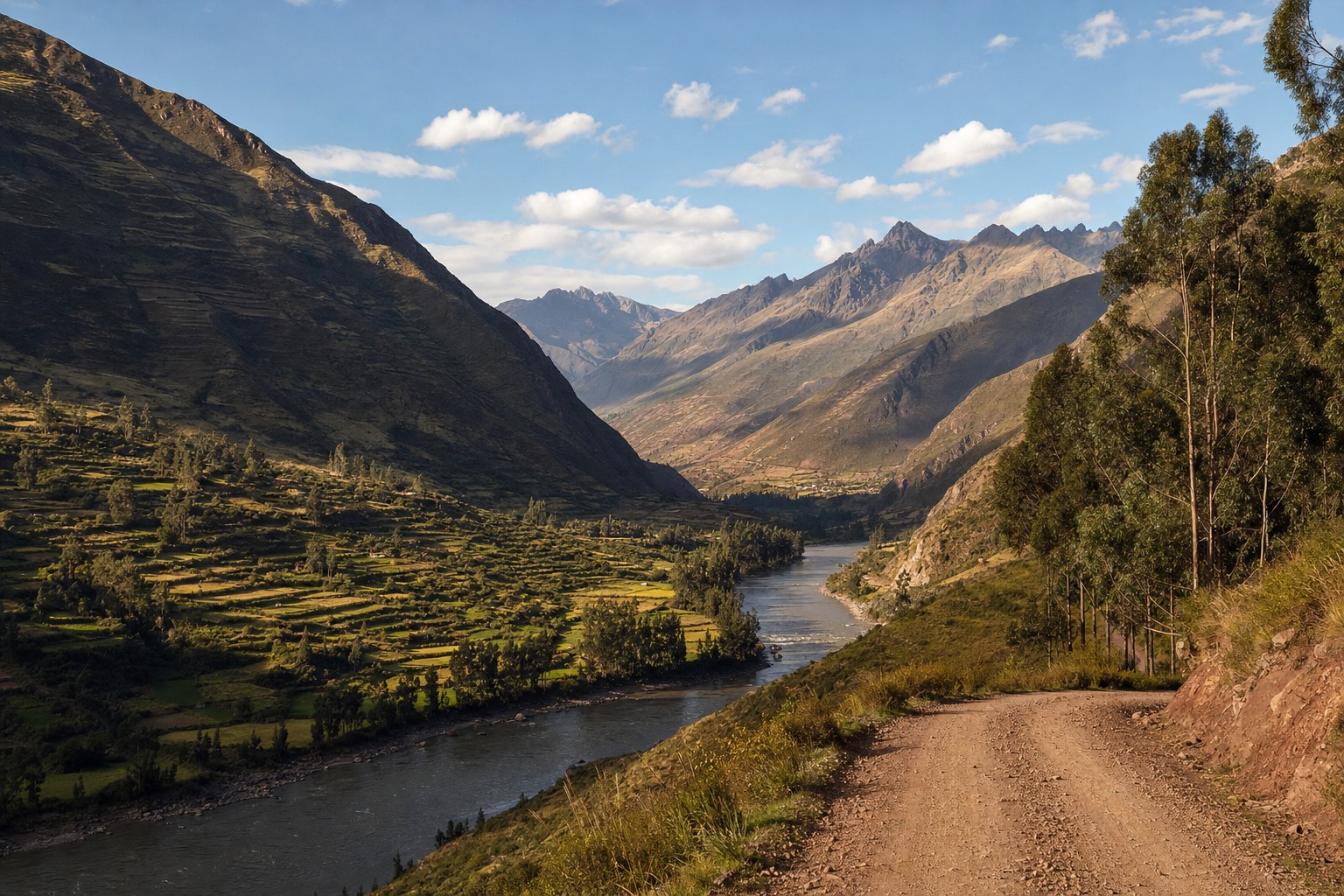
Yes, and the Sacred Valley makes it geographically easy. Several researched centers sit within day-trip distance of the Machu Picchu rail line: Etnikas in San Salvador, Willkamayuspirit in Urubamba, and Amoraleza's venue in Pisac all operate in the Cusco region, and Arkana runs a Sacred Valley location alongside its Amazon one. You need 10 to 14 days to do both without rushing.
The alternative is the jungle route: fly to Iquitos for the retreat, then come back through Lima for the Cusco leg. That gets you the deep-Amazon setting, but it adds two flights and roughly three days of moving around. Our Iquitos vs Sacred Valley comparison breaks down the trade-off in full; the short version is that the Valley trades rainforest immersion for logistics that fit inside a two-week vacation.
One honest caveat before anything else: ayahuasca is not for everyone, and combining it with strenuous trekking raises the bar on health. Heart conditions, SSRIs, and a history of psychosis are hard contraindications. Read who should avoid ayahuasca and talk to your doctor before you build a trip around a ceremony.
Should the ceremony come before or after Machu Picchu?
After. Trek first, retreat second, and almost every experienced planner lands on the same order for three reasons.
First, the preparation diet. Centers ask you to cut alcohol, red meat, and heavy or aged foods in the days before ceremony, and the brew's MAOI pharmacology is part of why dietary care matters, as ICEERS explains in its safety materials. Trail lodges and Cusco restaurants are not built around a dieta. Doing the tourism first means you eat normally while you trek, then tighten the diet as the retreat approaches. The full restriction list lives in our dieta explainer.
Second, the state you want to be in afterward. The days after ceremony tend toward quiet: journaling, long meals, early nights. Guests consistently say the worst thing to bolt onto that state is a 4 a.m. alarm and a crowd of thousands. Ending the trip at the retreat lets the integration start in peace.
Third, fatigue works in your favor this way. Arriving at ceremony physically tired from trekking is fine; arriving at a demanding trek emotionally raw from ceremony is not.
The one argument for retreat-first is scheduling: fixed ceremony dates sometimes force it. It works, but leave at least two full rest days between your last ceremony and the trek if you go that way.
What does altitude actually do to this plan?
More than most people expect, because the numbers run backwards from intuition. Cusco, where you land, sits at about 3,400 meters (11,150 ft). Machu Picchu itself is lower, roughly 2,430 meters per UNESCO's listing for the sanctuary. The Sacred Valley floor sits between them: Urubamba at about 2,870 meters, Pisac a little higher.
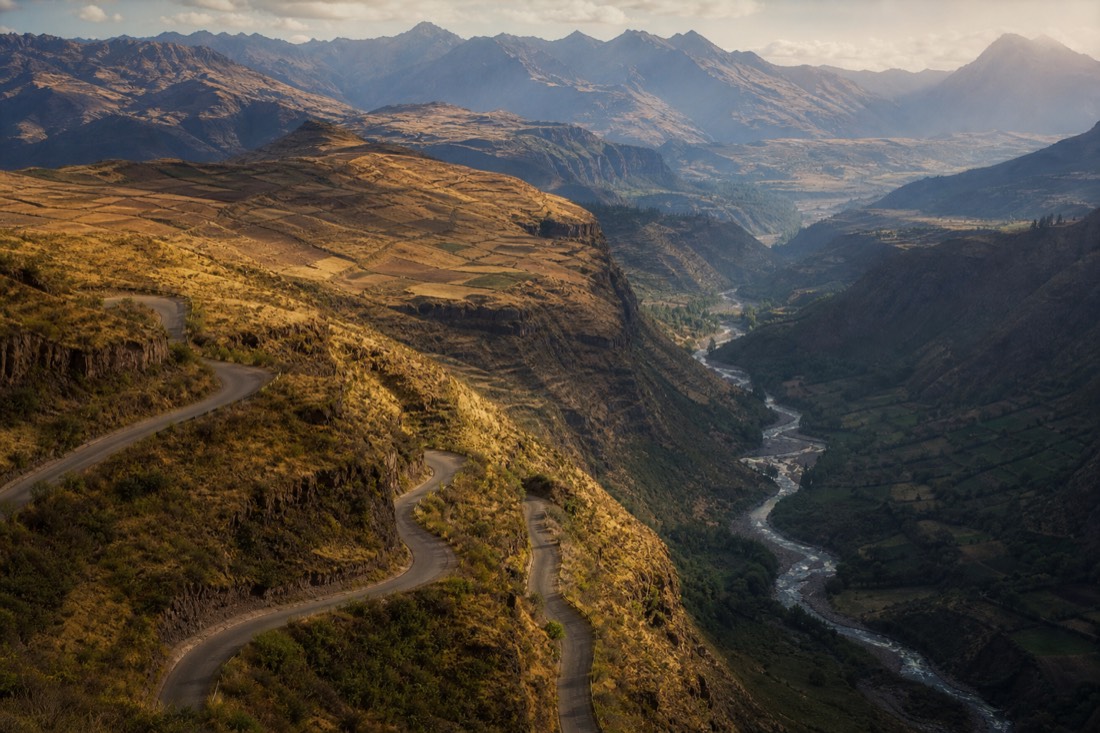
So the smart move on arrival is to leave Cusco almost immediately and sleep low in the Valley for your first two or three nights. Altitude sickness usually announces itself in the first 48 hours, and it does not care how fit you are. Headache, broken sleep, and a heaving stomach are miserable on their own; they are worse stacked on top of ceremony nights or a trek.
Give yourself minimum two days of acclimatization before either the trek or the first ceremony. Hydrate, skip alcohol (you are cutting it for the dieta anyway), and treat coca tea as the locals do, as routine. If you have any cardiovascular history, altitude plus ayahuasca is a two-doctor conversation, your own physician and the center's screening, before you book anything.
There is also a quieter interaction worth planning around: ceremony nights already tax sleep and appetite, and altitude does the same in its first days. Stacking them is how people end up depleted by day five. The itinerary below spaces the two loads apart on purpose, and that spacing is most of what makes the combined trip pleasant instead of punishing.
What does a 10-14 day itinerary look like?
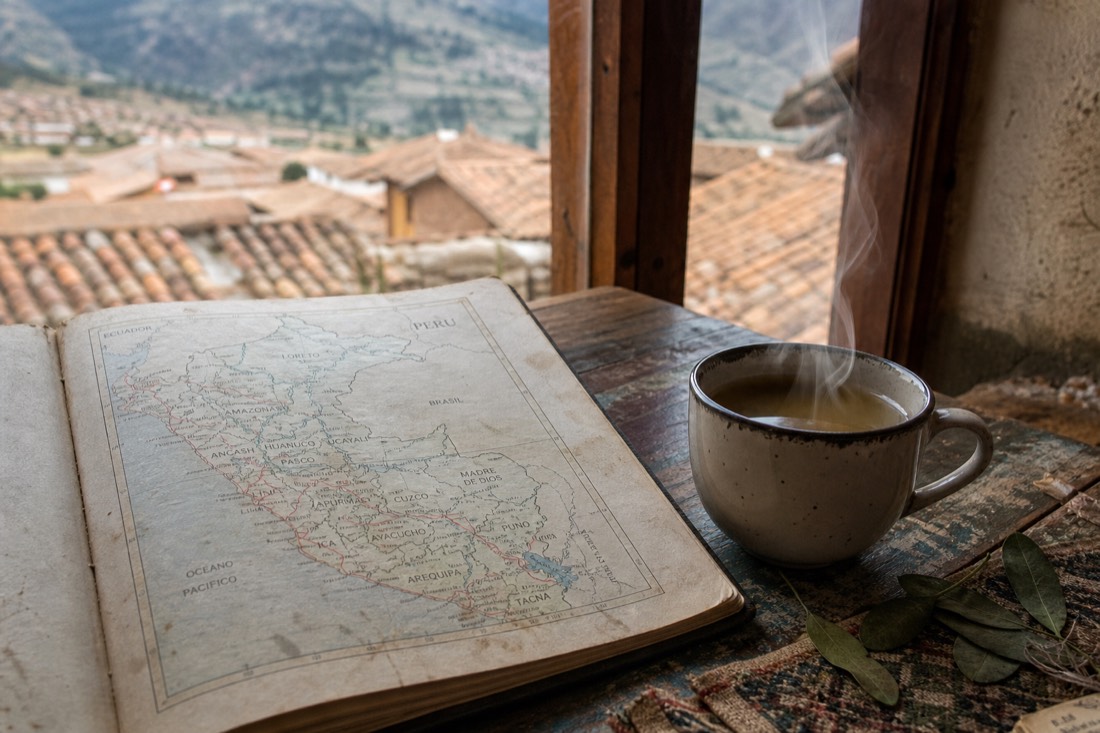
Here is the shape I would give a first-timer with 12 days on the ground, trek first, retreat second. Stretch or compress the middle to fit your dates.
| Days | Where | What |
|---|---|---|
| 1-2 | Sacred Valley (Urubamba or Pisac) | Land in Cusco, transfer down the same day, acclimatize slowly |
| 3-4 | Sacred Valley | Pisac ruins, Ollantaytambo, easy walking at altitude |
| 5-6 | Aguas Calientes + Machu Picchu | Train in, citadel at dawn, train out |
| 7 | Cusco | City day, last normal meals, begin tapering the diet |
| 8-11 | Retreat center | Check-in, two to three ceremonies with rest days between |
| 12 | Cusco | Quiet buffer day, fly out no earlier than the day after your last ceremony |
Two notes on that skeleton. Machu Picchu entry tickets and trains sell out, so those dates lock first and the retreat books around them. And the buffer day at the end is not optional padding; flying out the morning after a ceremony is the single most-regretted move I hear about. If you have 14 days, spend the extra two on a longer retreat block rather than more sightseeing.
Which Sacred Valley centers make this practical?
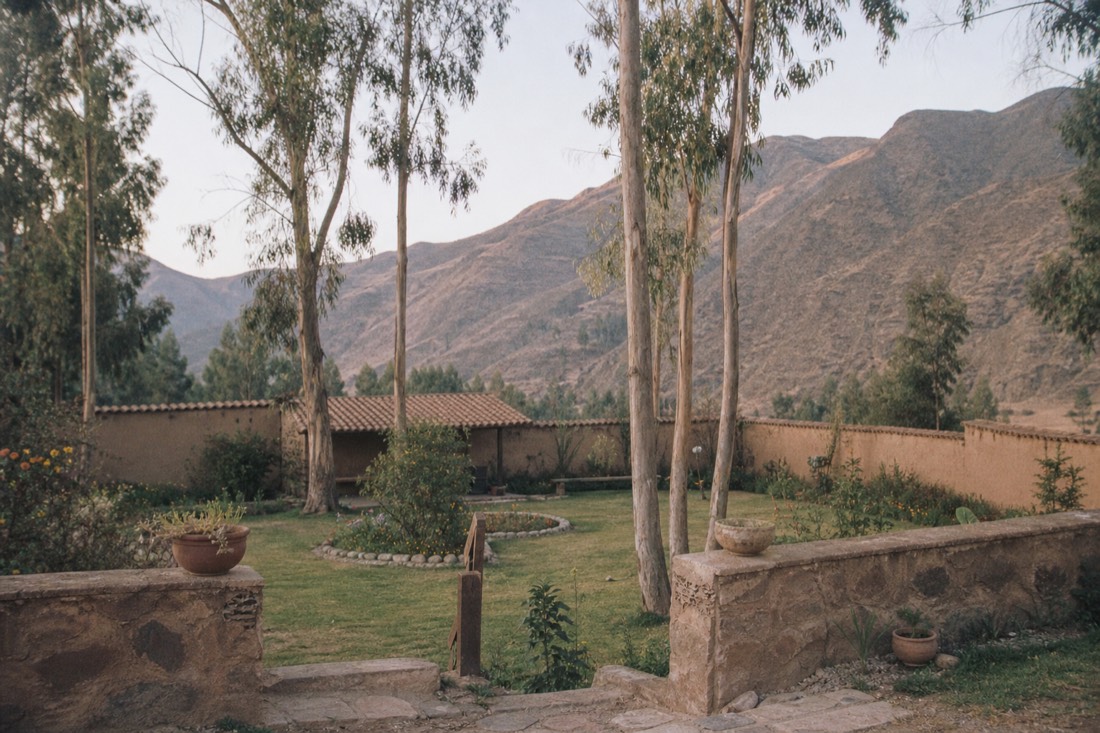
The Cusco region has fewer centers than the Amazon, but the researched set covers the price spectrum. All figures below come from our verification passes and the platforms' live listings; treat them as current starting points rather than quotes.
| Center | Where | Researched figures |
|---|---|---|
| Etnikas | San Salvador, Cusco | 5 days from about $1,100; medically framed, nurses on staff per Reddit users |
| Willkamayuspirit | Urubamba | $1,377 for 7 days on Retreat.guru |
| Amoraleza | Pisac venue | About 3,100 euros for 11 days, European organizer |
| Arkana | Sacred Valley + Amazon | Amazon 7-day from about $2,520; dual locations |
| Anahata | Sacred Valley | Community-mentioned tier: praised on Reddit, not independently verified |
Etnikas is the natural fit for trek-combiners on a schedule: five days, medical staffing, and a location inside the Cusco orbit. Willkamayuspirit puts you in Urubamba itself, ten minutes from the Machu Picchu rail line at Ollantaytambo. If you are torn between two of these, send us your shortlist and we will give you a straight comparison for free; it is exactly the kind of question the form exists for.
The full field, including every Amazon option, is in the comparison table, and the money math across all regions is in our cost guide.
Centers our research points to for this topic. Nobody pays for placement; every card links our full, sourced review.
Cusco / Sacred Valleyfrom $1,1005 daysup to 18 guests
Etnikas
★ 4.4 across 71 Google reviews
Publishes real medical screening detail
Read the full review →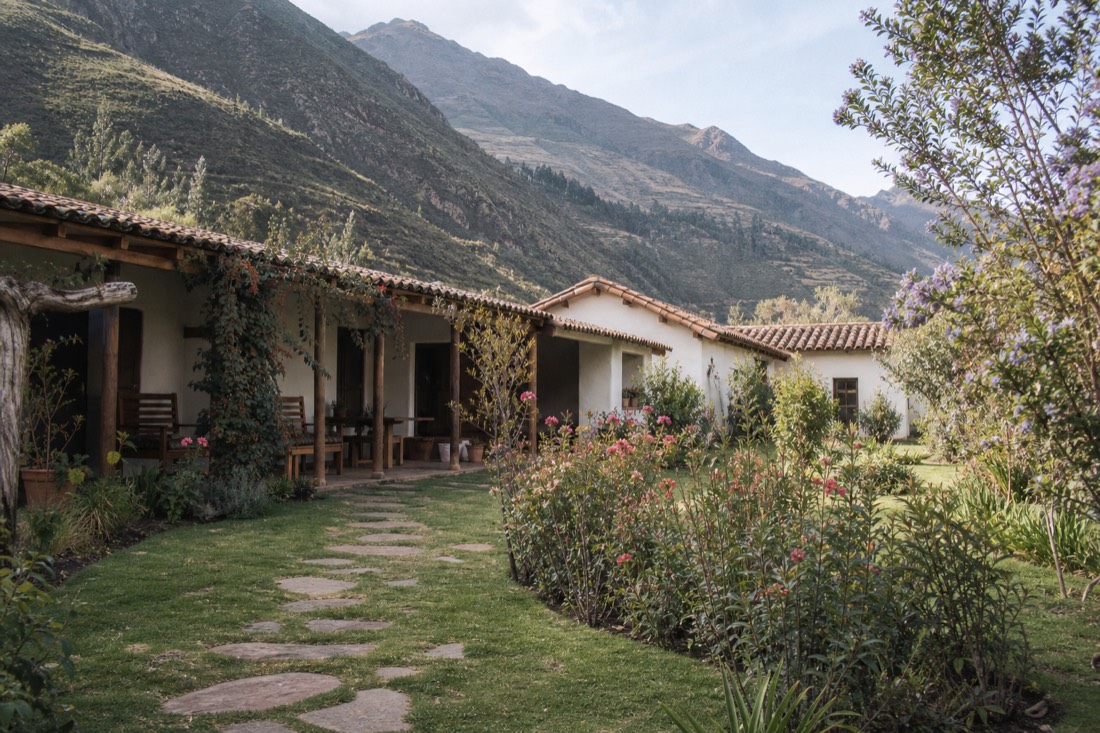
Cusco / Sacred Valleyon request
Anahata
rating not on file yet
Community-mentioned
Read the full review →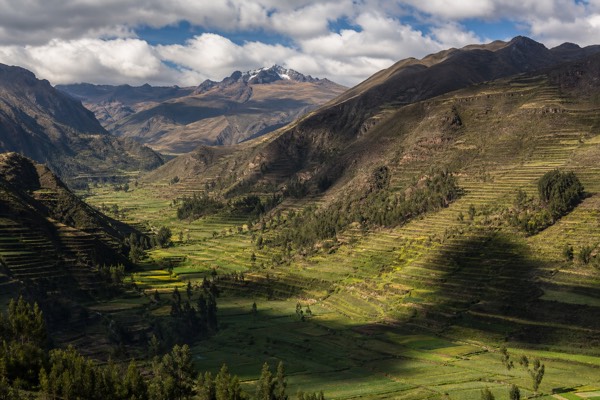
Cusco / Sacred Valleyfrom $1,3777 days
Willkamayuspirit
rating not on file yet
Directory-listed
Read the full review →Is it better to do the jungle retreat and visit Machu Picchu separately?
If ceremony depth is the point of the trip, yes, consider it. The Iquitos region is where the widest choice lives, from budget operations to the Temple of the Way of Light, and centers like AyaSelva in Tamshiyacu run 7 to 12-day programs with four to seven ceremonies, more immersion than most Valley schedules. The cost is logistical: Lima connections in both directions, and you should still keep a rest day between the retreat and any flight.
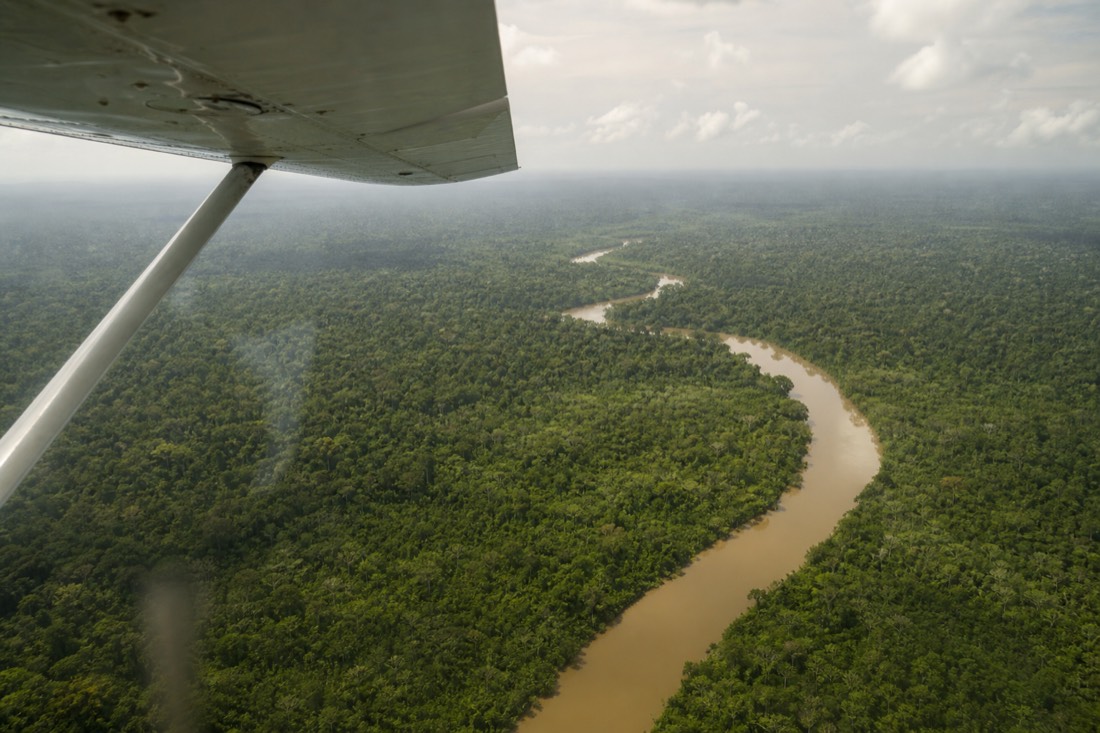
A workable 14-day jungle version: Lima to Cusco leg first with Machu Picchu on days 3 to 5, back through Lima, fly to Iquitos on day 7, retreat days 8 to 13, out on day 14. It is tighter and the flights add cost, but you get both the citadel and the deep rainforest in one passport stamp.
Either way, the sequencing rule holds: tourism first, medicine second, buffer day last. Build the trip in that order and the two halves stop competing with each other. When your dates firm up, ask us anything about the plan, including which centers have ceremony dates that fit your Machu Picchu tickets; we answer every question ourselves, usually within a day.