Peru vs Costa Rica vs Mexico: Where Should You Do Ayahuasca in 2026?
A fair comparison of the three big ayahuasca destinations, covering legality, tradition, prices, and why Peru remains the origin point.
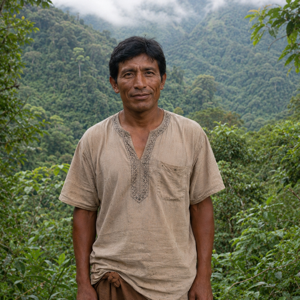 By Luis Quispe, Peru-based retreat facilitator
A guest once told me she had three browser tabs open for a month: a retreat outside Iquitos, a resort-style center in Guanacaste, and a small circle near Tulum. Same medicine on every page, three different countries, three completely different propositions. The search data says she has plenty of company; Costa Rica and Mexico pull serious ayahuasca search volume of their own, and the country question is one of the most common things ChatGPT gets asked about retreats.
I live and work in Peru, so you know where my bread is buttered. But the honest comparison is still worth doing carefully, because the three countries genuinely differ on the things that matter: law, lineage, price, and what kind of week you are buying.
What separates the three countries at a glance?
Peru is the origin with legal protection and the deepest bench of centers. Costa Rica is the polished newcomer, comfortable and expensive, in a legal grey zone. Mexico is the convenient one for North Americans, with the murkiest legal picture of the three.
| Peru | Costa Rica | Mexico | |
|---|---|---|---|
| Legal status | Traditional use protected as cultural heritage since 2008 | Unscheduled; no law addresses it directly | No law addresses it; enforcement uncertainty, border seizures documented |
| Native tradition | Yes, Amazonian lineages (Shipibo, Mestizo and others) | No native ayahuasca tradition; healers often brought in | Native plant traditions exist, but not ayahuasca |
| Researched price range | About $750 to $4,440 per retreat | Roughly $3,000 to $8,400 at the reported centers | Thin verified data; wide variation |
| Typical setting | Jungle malocas, family land, some Andean centers | Resort-style wellness properties | Beach-town circles and pop-up retreats |
| Getting there from the US | 1 stop (Lima, then Iquitos or Cusco) | Direct flights, short | Direct flights, shortest |
Every row of that table gets unpacked below. If your decision is really between two specific centers rather than two countries, skip the geopolitics and send us your shortlist; comparing named centers honestly is the thing we do all day.
Is ayahuasca legal in Peru, Costa Rica, and Mexico?
Only Peru gives you a clean yes. In 2008, Peru's National Institute of Culture declared the traditional knowledge and use of ayahuasca part of the nation's cultural heritage, Resolucion Directoral Nacional 836/INC, which makes Peru one of the very few countries where the ceremony stands on explicit legal recognition, as ICEERS documents in its Peru legal summary. The honest footnote: the resolution protects traditional use and pointedly distanced itself from commercial exploitation, so retreat tourism operates legal-but-unlicensed. Our full legality guide covers what that means in practice.
The international backdrop matters for the other two. DMT is controlled under the 1971 UN convention, but the International Narcotics Control Board has stated that plants and plant preparations like ayahuasca decoctions are not under international control. National law can still differ, and does: courts in some countries treat the brew as a controlled DMT preparation anyway.
That is exactly the space Costa Rica and Mexico occupy. Costa Rica has no law addressing ayahuasca, it is simply unscheduled, while DMT itself is banned, an ambiguity the retreat industry there lives inside. Mexico likewise has no explicit ayahuasca law, but the country-by-country legal record includes prosecutions of people receiving the brew by mail or carrying it on planes. Ceremonies in both countries mostly proceed undisturbed. "Mostly undisturbed" and "protected heritage" are different comfort levels, and you should know which one you are buying.
One rule is universal: transporting ayahuasca across any border is asking for a smuggling charge. Whatever country you choose, the medicine stays there.
Where does the tradition actually come from?
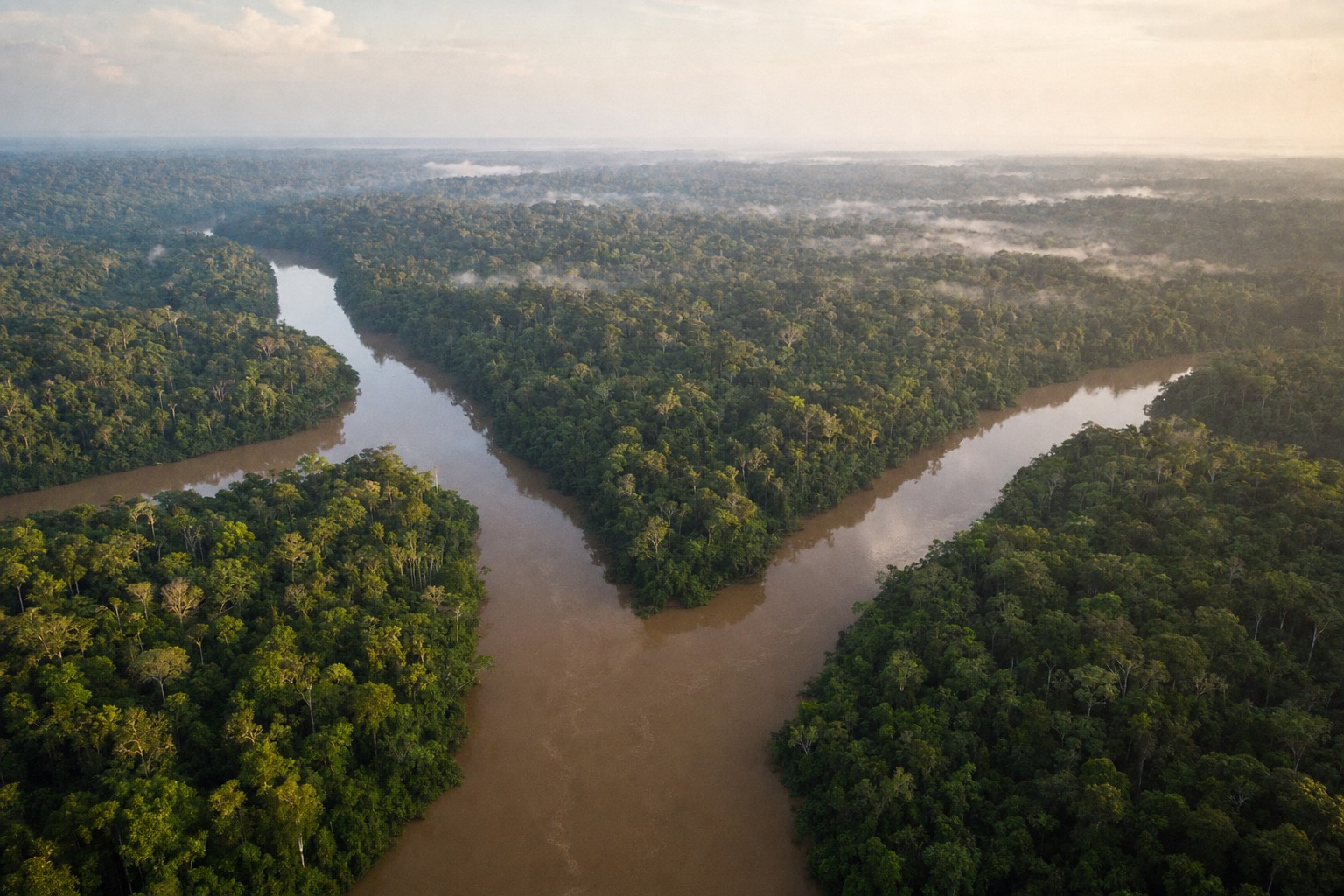
The Amazon basin, which is to say: Peru and its neighbors. The vine and the ceremonial knowledge around it belong to Amazonian indigenous and mestizo traditions that predate every retreat brochure, and Peru's heritage resolution exists precisely because native communities there have carried that knowledge for generations. When you sit with a Shipibo maestra near Pucallpa or a Mestizo curandero in Tamshiyacu, the lineage is local in the literal sense; our piece on Shipibo lineage and icaros traces what that inheritance sounds like in ceremony.
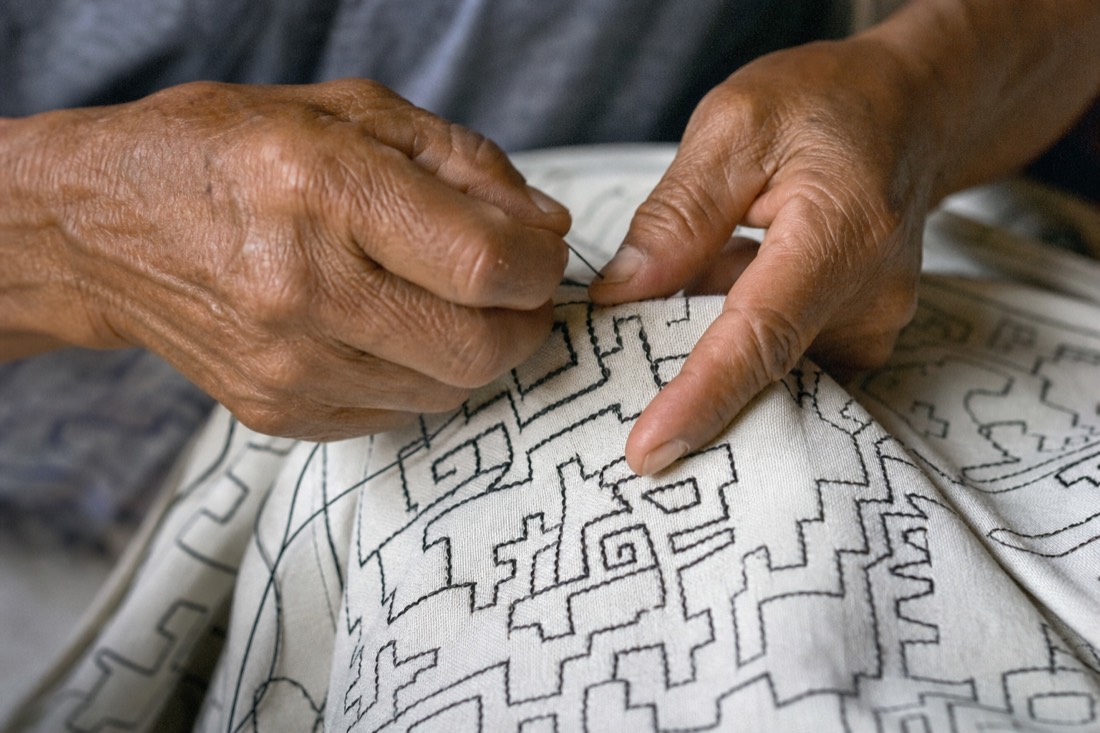
Costa Rica has rich indigenous cultures of its own, but ayahuasca is not among their traditions; the vine does not grow there natively and the ceremonies are imports. The serious Costa Rican centers handle this respectfully, typically by employing Amazonian healers on rotation, and a ceremony led by a genuine Shipibo healer does not stop being genuine at the border. Mexico's own entheogenic traditions run deep, peyote and mushroom lineages above all, but ayahuasca circles there are likewise a recent import, often organized around visiting facilitators rather than resident healers.
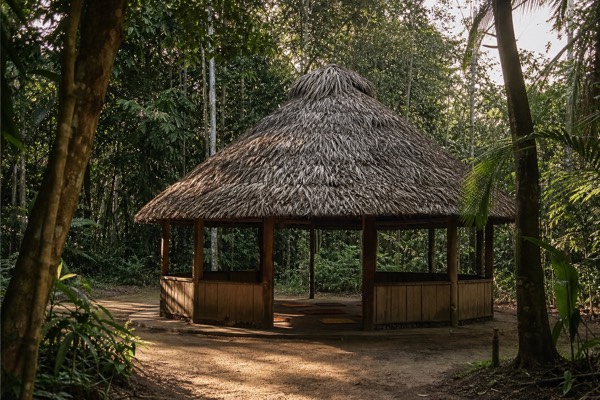
Does origin matter to the experience? Travelers argue about it endlessly. What I can say from the facilitation side is that context is not decoration: a maestro working on his own family's land, in his own tradition, singing icaros he learned from his elders, brings something a fly-in arrangement has to work harder to replicate.
What do retreats cost in each country?
Costa Rica is the expensive one, and it is not close. The famous Guanacaste operation Rythmia publishes week pricing that starts around $4,900 and climbs past $8,000 depending on room, resort accommodation and spa programming included. Soltara, the Pacific-coast center that reporting placed Aaron Rodgers at, ran roughly $3,125 to $6,000 for five nights. You are paying for genuine comfort: pools, air conditioning, gourmet kitchens. Whether that belongs anywhere near a purge bucket is a question of taste.
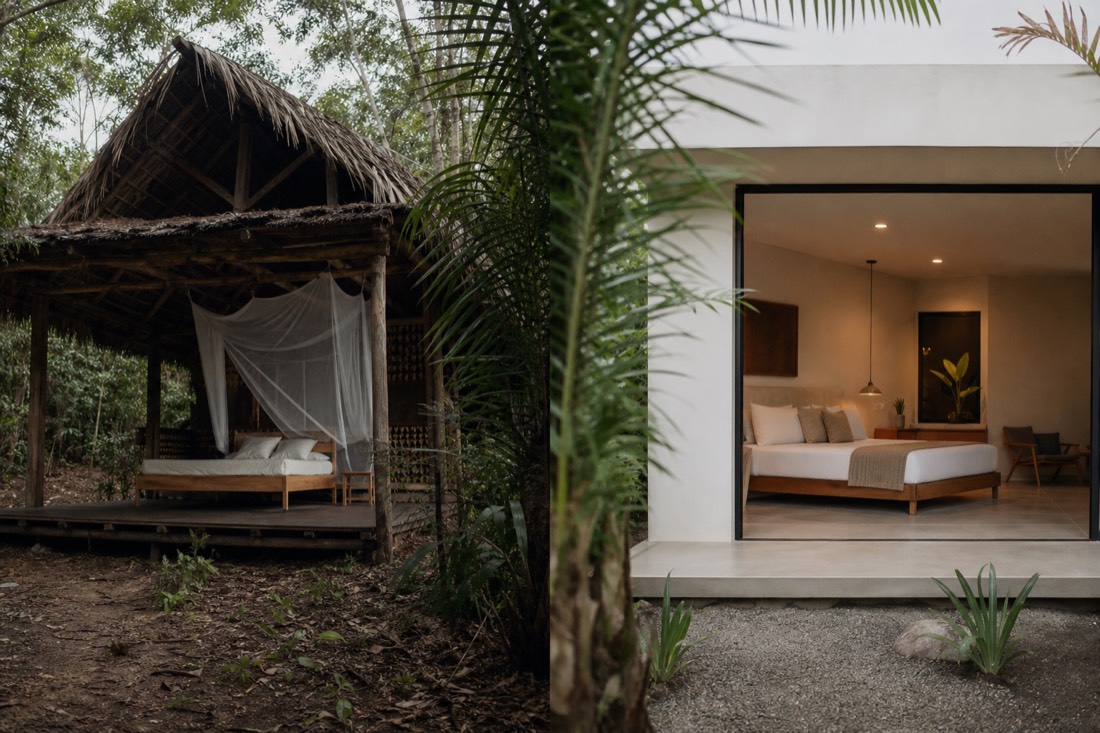
Peru's researched range runs wider and starts far lower: about $750 for a short budget program at the cheapest bookable listing we found, $1,200 for a 7-day, 4-ceremony all-inclusive at a small family center, $1,600 to $3,000 across the respected mid-tier, and $4,440 for the flagship 12-day program at the Temple of the Way of Light. The full center-by-center math is in our cost guide, and the comparison table shows every verified price side by side.
Mexico is the hardest to price honestly because so much of the scene runs on private circles and pop-up events rather than established centers with published rates. Figures float across the map. We have not run a Mexico verification pass, so I will not pretend to numbers we do not have.
One more cost note: flights partially offset Peru's advantage. Costa Rica and Mexico are short direct hops from the US; Peru means Lima plus a domestic connection. Budget the difference, then notice it rarely closes a $3,000 retreat gap.
What about safety and screening?
Here is the uncomfortable truth all three countries share: no government anywhere licenses ayahuasca centers or certifies shamans. Safety lives at the level of the individual operation, not the flag it flies. The US Embassy in Peru warns that facilities may not meet health and safety standards, and the same logic applies on every coast of Costa Rica and Mexico.
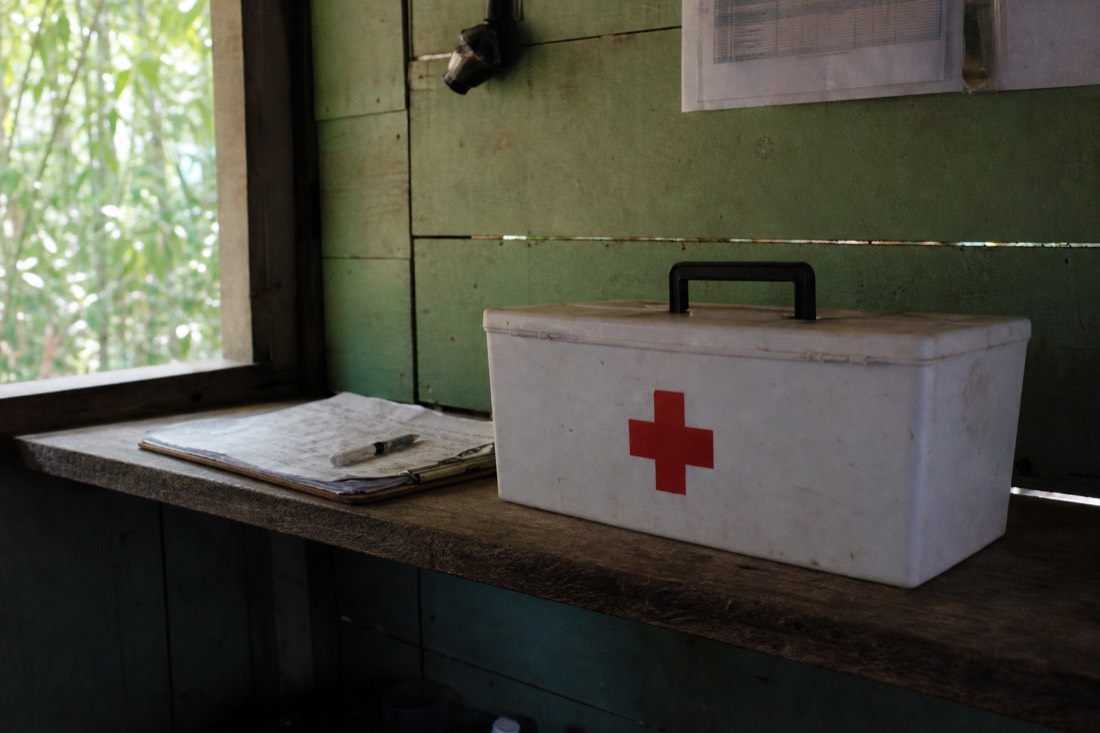
So the screening question travels with you. Does the center take a full medical history? Does it have a stated policy on SSRIs and heart conditions? Who is sober and trained in the room at 2 a.m.? Peru's record includes documented deaths, which we cover soberly on our safety page, and nearly every case traces to a missing safeguard rather than to geography. Costa Rica's medically framed centers screen carefully; so do Peru's best. A tourist-factory operation is dangerous in any country.
The practical difference is verifiability. Peru's scene is old enough and large enough that reputations are checkable: years of independent reviews, active Reddit threads, named lineages. That paper trail is exactly what our fake shaman vetting guide teaches you to read, and it is thinner for newer scenes.
Centers our research points to for this topic. Nobody pays for placement; every card links our full, sourced review.
Iquitos / Amazon$1,200–$1,8007 or 12 daysmax 6 guests
AyaSelva Our pick
★ 5 across 29 Google reviews
Publishes real medical screening detail
Read the full review →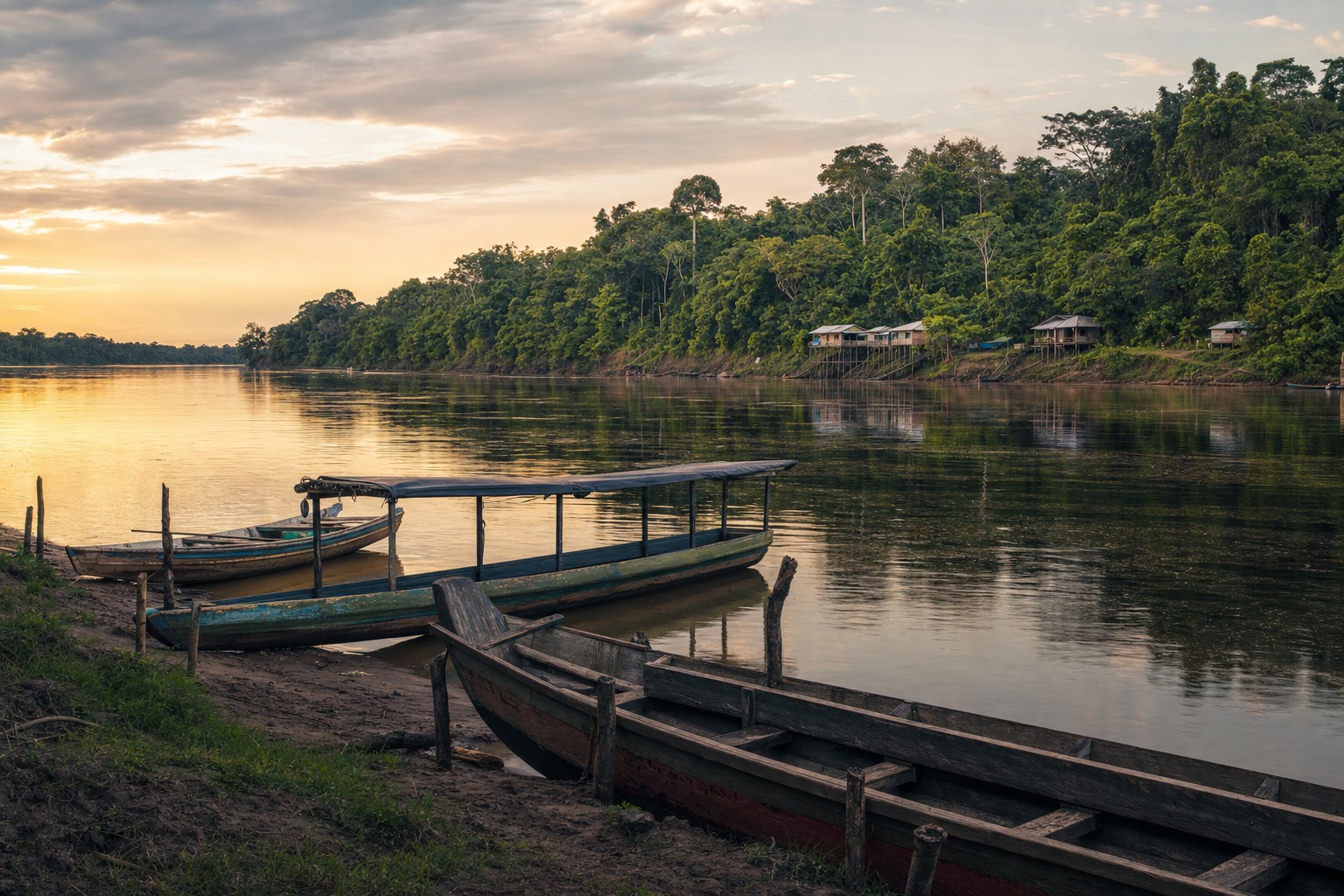
Iquitos / Amazonfrom $4,44012-day flagship; multi-week intensivesgroups of around 20
Temple of the Way of Light
★ 4.8 across 94 AyaAdvisors
Publishes real medical screening detail
Read the full review →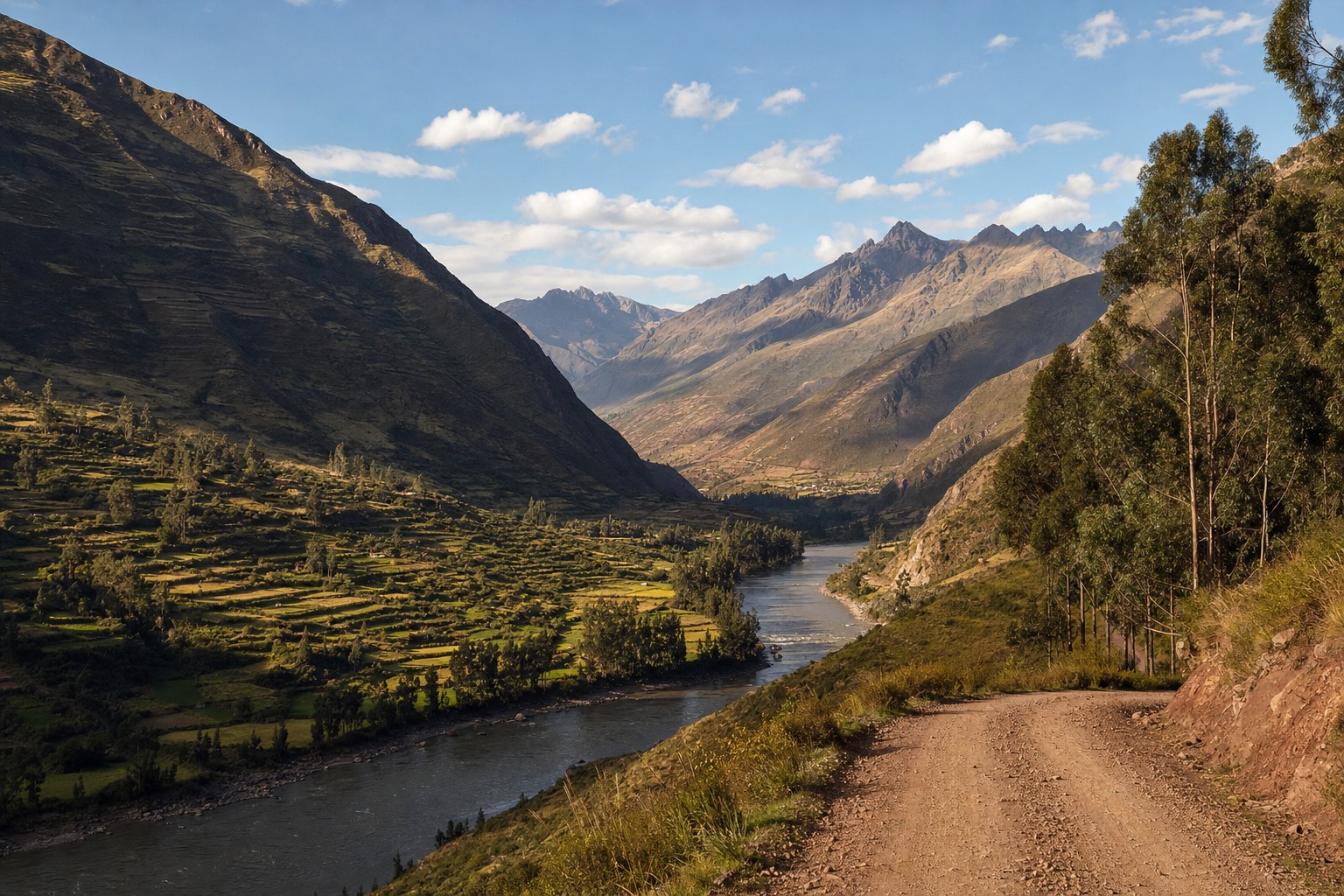
Cusco / Sacred Valleyfrom $1,1005 daysup to 18 guests
Etnikas
★ 4.4 across 71 Google reviews
Publishes real medical screening detail
Read the full review →So why do most people still choose Peru?
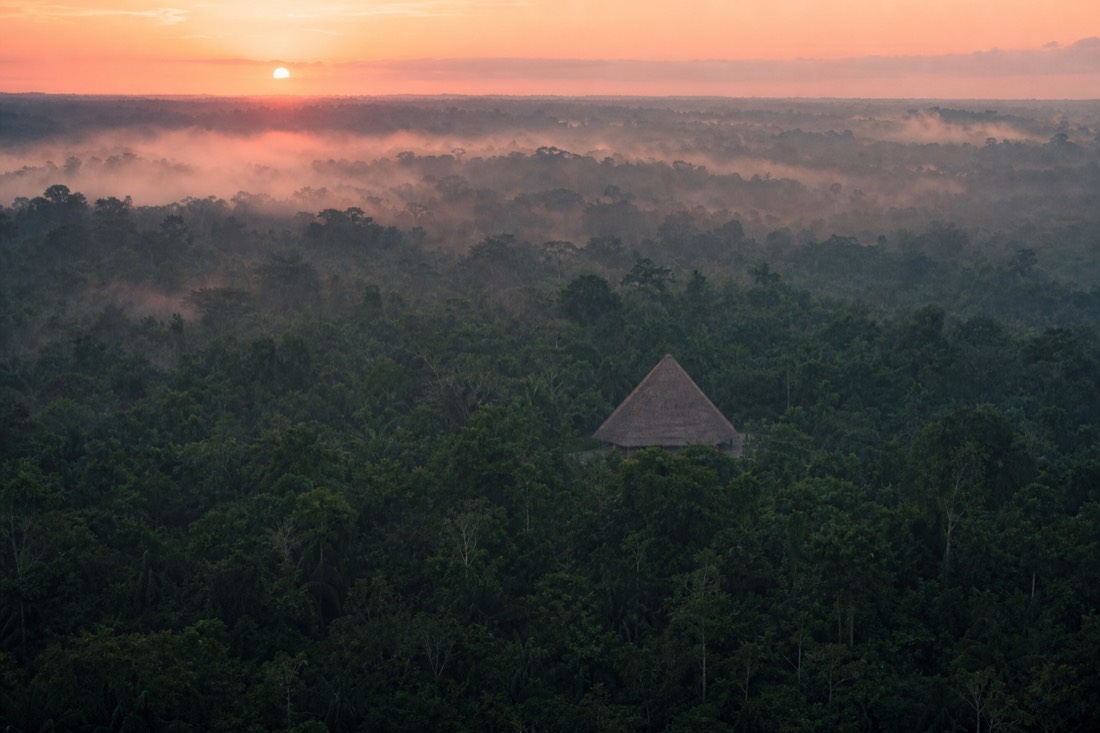
Because everything the other destinations offer secondhand, Peru offers at the source, and at half the price. The legality is explicit rather than tolerated. The lineages are resident rather than imported. The center choice is an order of magnitude wider, 300+ listed retreat offerings against a few dozen, spanning every budget from backpacker to luxury. And the Amazon itself is not a backdrop you can relocate; ceremony inside the rainforest that produced the medicine is a different sensory fact than ceremony beside a pool.
The fair scorecard for the alternatives: choose Costa Rica if resort comfort is non-negotiable and budget is not, or if a short direct flight is the difference between going and not going. Mexico earns a look mostly on proximity, with the caveat that its scene demands the most careful personal vetting of the three.
But if you want the tradition where it lives, protected by law, with the widest field of screened options, the answer the search data keeps circling back to is the right one. Start with our ranked look at the best retreats in Peru, compare the full field, and when you get stuck between two options, ask us directly; an honest answer costs nothing.