What to Pack for an Ayahuasca Retreat in Peru
A jungle-tested packing list for Iquitos-region retreats, the river transfer reality, what the dieta says to leave at home, and Sacred Valley changes.
 By Luis Quispe, Peru-based retreat facilitator
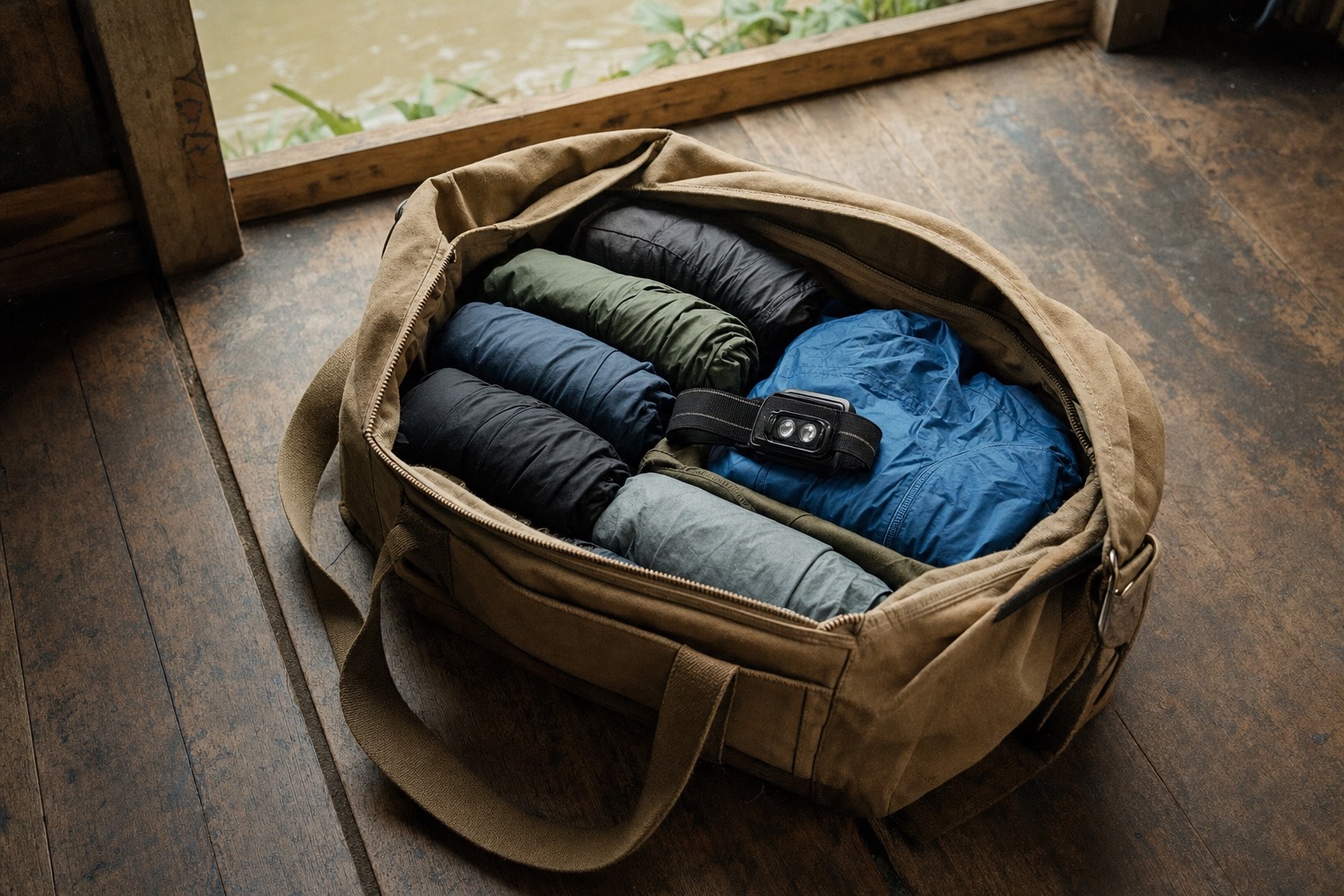
The first thing the jungle takes from you is the idea that anything will dry. Hang a rinsed shirt on a line outside Iquitos and it will still be damp two days later, slightly sweeter-smelling than when you washed it. I tell every guest the same thing before their first Amazon retreat: you are not packing for a trip, you are packing for 90 percent humidity with ceremonies in the middle of it.
The good news is the list is short. Retreats are all-inclusive almost by definition, your center feeds you, houses you, and hands you a bucket, so packing well is mostly about a dozen specific items and the discipline to leave the rest at home. Here is the list I actually give people, jungle version first, Sacred Valley changes at the end.
What is the packing reality of a jungle retreat?
Hot, wet, and dark at night, all year, with no dry season to aim for. Iquitos runs an equatorial climate: daytime highs around 30 to 32 C (86 to 90 F) every month, humidity that lives between 77 and 89 percent, and nearly 2,900 mm of rain a year, per the climate data for the city. The rain eases somewhat from June to September but never leaves. Whatever month you book, pack for heat and downpours on the same afternoon.
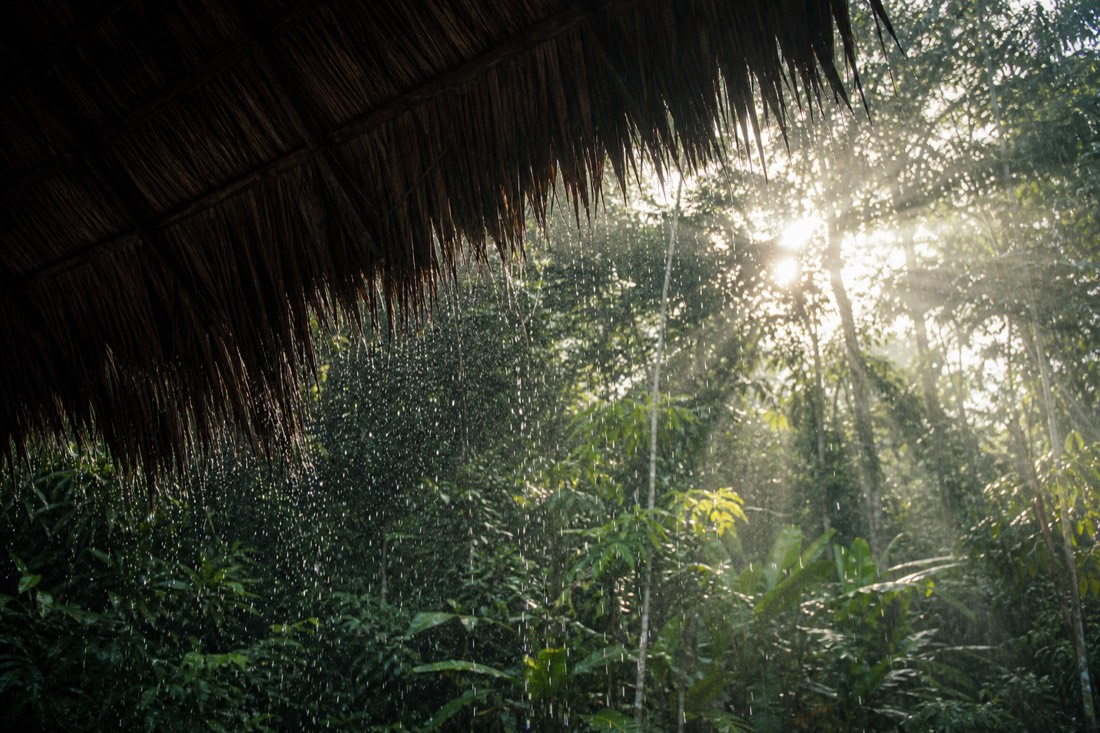
Two consequences follow. Cotton is a liability, it soaks and stays soaked, so quick-dry synthetics and merino earn their price. And electricity at jungle centers is limited or scheduled, which turns light and power into things you carry rather than things you assume. A tambo at night is genuinely, completely dark.
The upside of the climate: you need far less than a normal two-week trip. Retreat days alternate between ceremony, rest, and unhurried time, and nobody is judging outfits. Most guests live in three or four rotations of the same light clothes.
How do you even get there? The river transfer
For many Iquitos-region centers, the last leg of your journey is a boat, and that shapes the luggage. Take AyaSelva's standard arrival, which is typical of the Tamshiyacu area: the center picks you up at Iquitos airport, you sleep one night in the city, and the next day the hosts take you down the river to the center. Other centers run the same pattern from different ports, and some, like Nihue Rao out toward Llanchama, use road instead. Either way, your bag gets carried, lifted, and set down in places with no pavement.
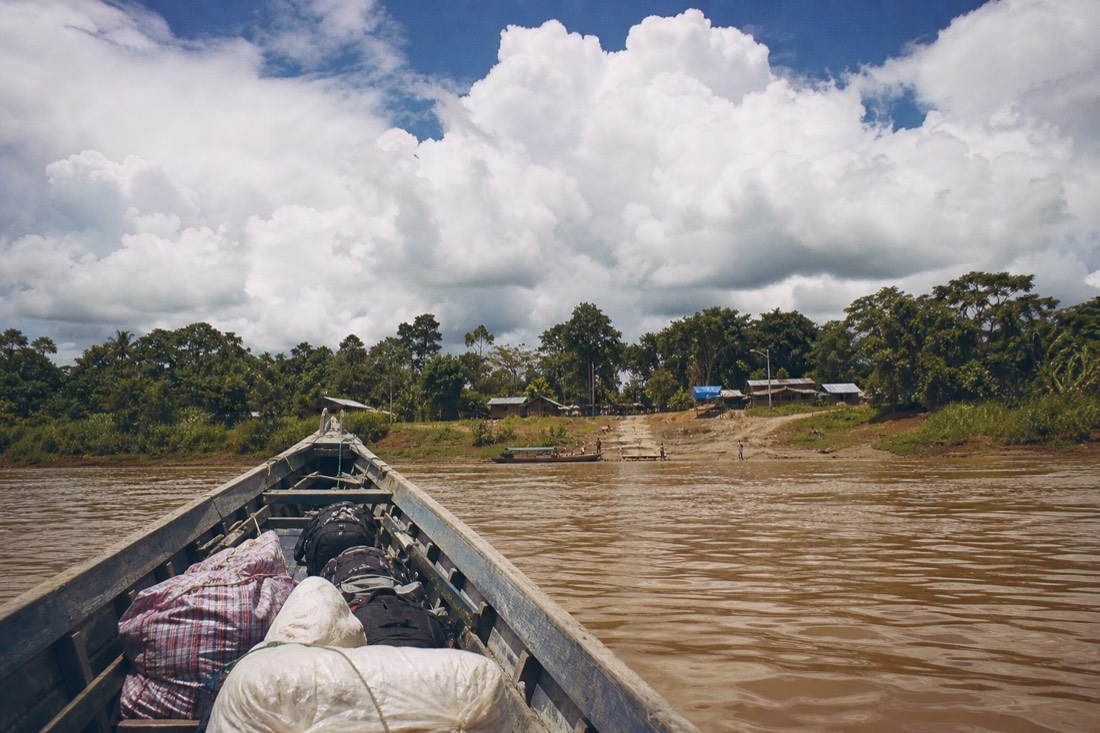
So skip the hard-shell roller. A duffel or backpack in the 40 to 60 liter range handles boats and mud better than wheels ever will. Put anything that must not get wet, passport, phone, medications, cash, in a dry bag or at minimum a zip-seal freezer bag inside your daypack. River spray and surprise rain are both routine, and a soaked passport is a genuinely bad souvenir.
Confirm your transfer details with the center before you fly, including where exactly they meet you. If the logistics feel murky for a center you are considering, that is worth checking before you commit, and our AyaSelva review shows what a clearly organized small-center transfer looks like in practice. When it is handled well, the boat ride stops being logistics at all; for most guests it turns out to be the moment the trip becomes real.
What goes in the bag for an Iquitos retreat?
The non-obvious third of the list does the real work. Everyone remembers a toothbrush; almost nobody, their first time, brings enough light.
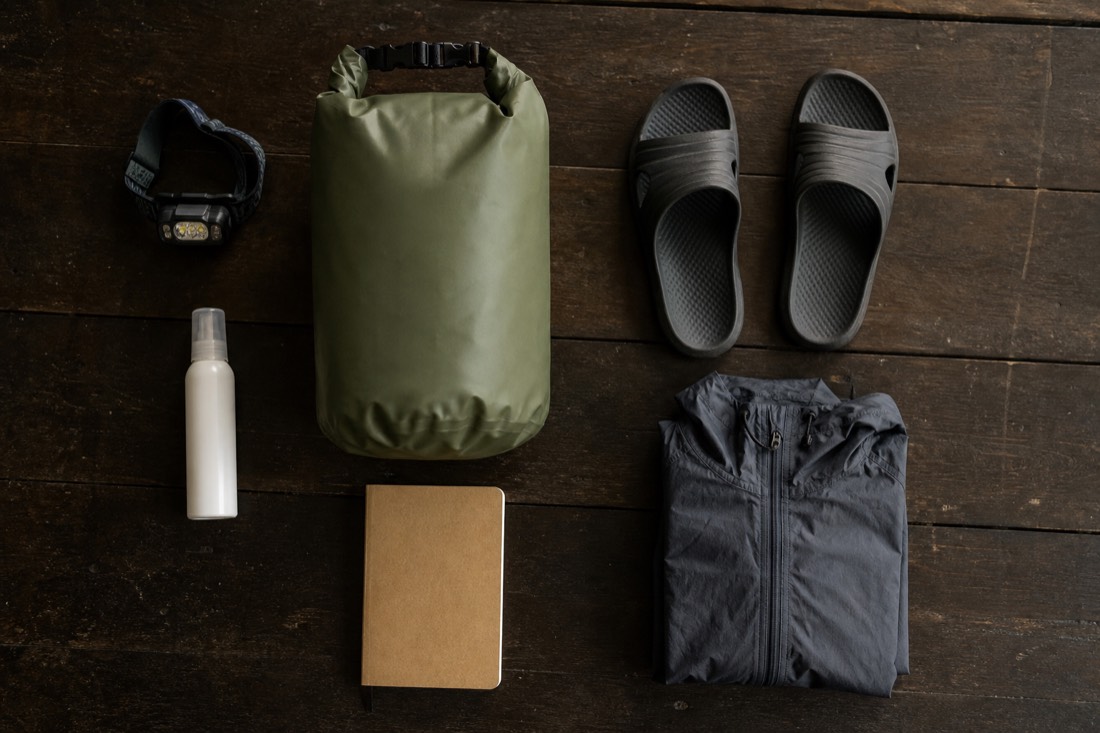
| Category | Pack | Why |
|---|---|---|
| Light | Headlamp plus spare batteries, small backup flashlight | Paths and tambos are unlit; hands-free light matters on ceremony nights |
| Rain | Packable rain shell, dry bag for valuables | Downpours arrive with little warning in every month |
| Clothes | 3-4 quick-dry sets, one long-sleeve shirt and long light pants for evenings | Mosquitoes wake at dusk; damp cotton never dries |
| Feet | Rubber sandals plus one pair of closed shoes | Sandals for the shower and maloca, closed shoes for jungle walks |
| Bugs | Repellent, after-bite cream | The Amazon is not shy; long sleeves do half the job |
| Sleep | Earplugs, small travel pillow if you are particular | The jungle is loud all night; generators sometimes run |
| Power | Power bank, headphone-free downtime plan | Charging windows can be short or scheduled |
| Ceremony | Loose comfortable layers, a light sweater | Night ceremonies cool down; you want warm and unrestrictive |
| Process | Journal and pen | The mornings after are when the material lands; write it down |
| Health | Personal medications, declared to the center in screening | Undeclared medication is a safety issue, not a privacy one |
That last row is the one I will underline. Every medication you take belongs in your intake questionnaire, because interactions between the brew and drugs like SSRIs are documented and serious, per the ICEERS safety profile. Bring your meds, declare your meds, and never stop a prescription without your own doctor. The full contraindication picture is in our who should avoid ayahuasca guide.
Sunscreen and a hat round out the list. You are near the equator, and the river reflects.
What should you leave at home because of the dieta?
The snacks, the perfume, and the flask, roughly in that order of how often people try. The retreat dieta is not only about what the kitchen serves; it extends to what you bring, and centers ask guests not to arrive with contraband for good reasons.
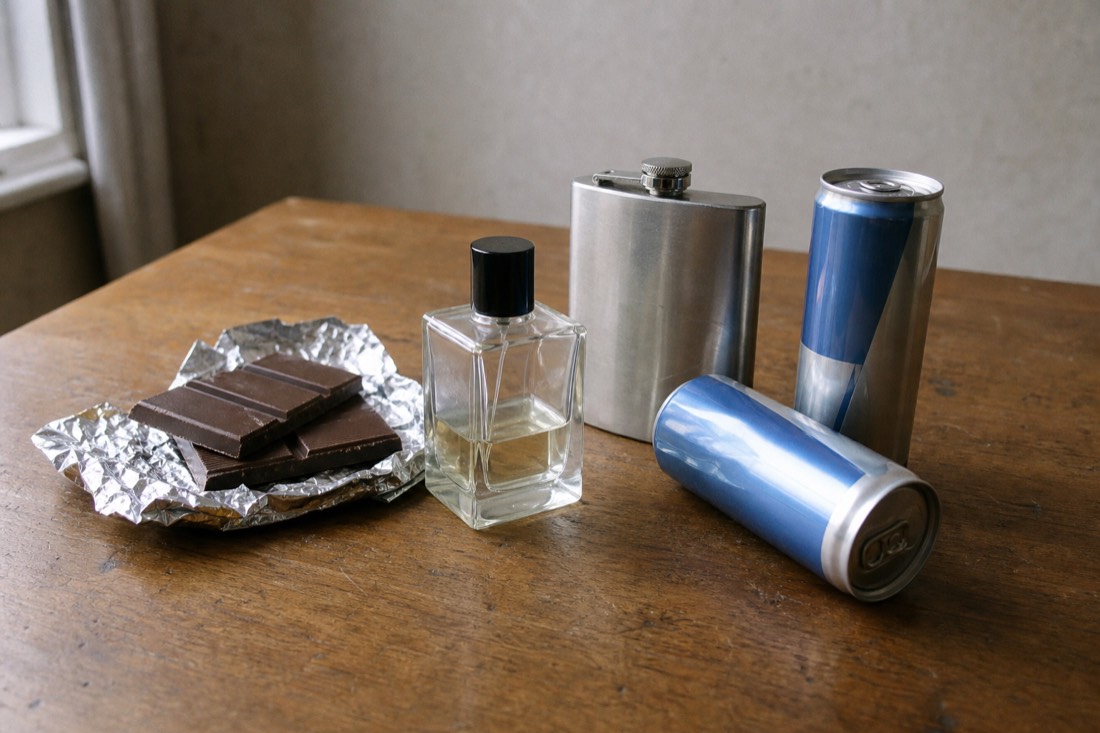
Alcohol is the absolute one. Beyond tradition, the brew contains MAO inhibitors, which interact with tyramine-rich food and drink; that pharmacology is why the dieta exists in medical terms as well as ceremonial ones, covered in ICEERS's good-practice guidance and unpacked in our dieta explainer. Aged cheeses, cured meats, and fermented anything sit on the same list. The care-package instinct, protein bars, chocolate, instant coffee, undermines the clean-diet window your center is trying to hold around ceremonies; centers like AyaSelva cook diet-compliant meals precisely so you do not have to think about it.
Scent is the one that surprises people. Strong perfumes and heavily scented products are commonly asked off the packing list at traditional centers; unscented basics travel better in ceremony spaces. And bring less technology than you want to. Nobody will search your bag for a tablet, but guests consistently report that the retreats that worked were the ones where the screen stayed in the duffel.
How much cash should you bring, and for what?
Less than a normal trip, but not zero, and in the right form. Your retreat is prepaid and all-inclusive at nearly every researched center, AyaSelva's $1,200 and $1,800 programs, for instance, cover room, meals, ceremonies, and the transfer from Iquitos, so on-site costs barely exist. What cash covers is the edges: your night in Iquitos, meals in town, motokar rides, a few soles for small purchases, and tips.
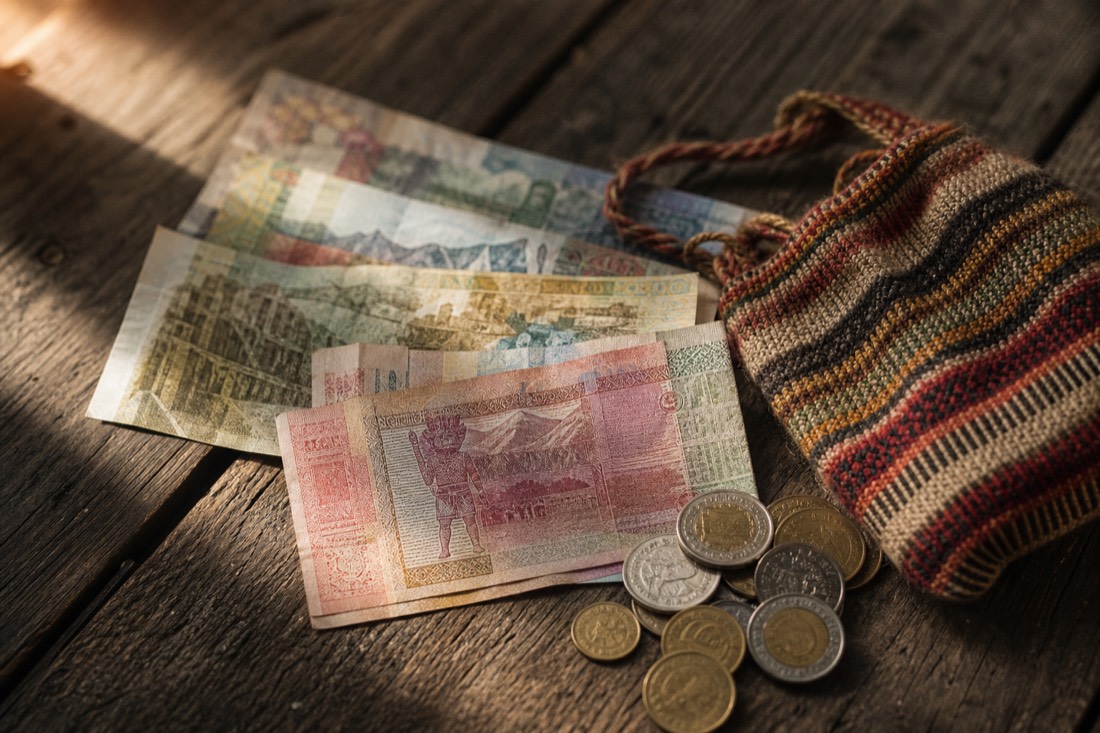
Practical rules that save headaches. Withdraw in Iquitos before the boat, there are no ATMs on the river, and small denominations are worth their bulk, since breaking a 100-sol note in a village is a group project. A reasonable envelope for most guests is modest: enough for city meals, transport, and a tip you would feel good about, carried partly in soles and partly in US dollars, which are widely accepted for larger amounts.
On tipping: there is no fixed custom, but the kitchen staff, boat drivers, and facilitators at family-run centers work hard weeks, and a tip handed directly at the end is always understood. Ask your center what is appropriate; the honest ones give you a straight answer. If yours is vague about money in ways that feel off, that belongs in your vetting, and our fake shaman guide covers what money evasiveness can signal.
Centers our research points to for this topic. Nobody pays for placement; every card links our full, sourced review.
Iquitos / Amazon$1,200–$1,8007 or 12 daysmax 6 guests
AyaSelva Our pick
★ 5 across 29 Google reviews
Publishes real medical screening detail
Read the full review →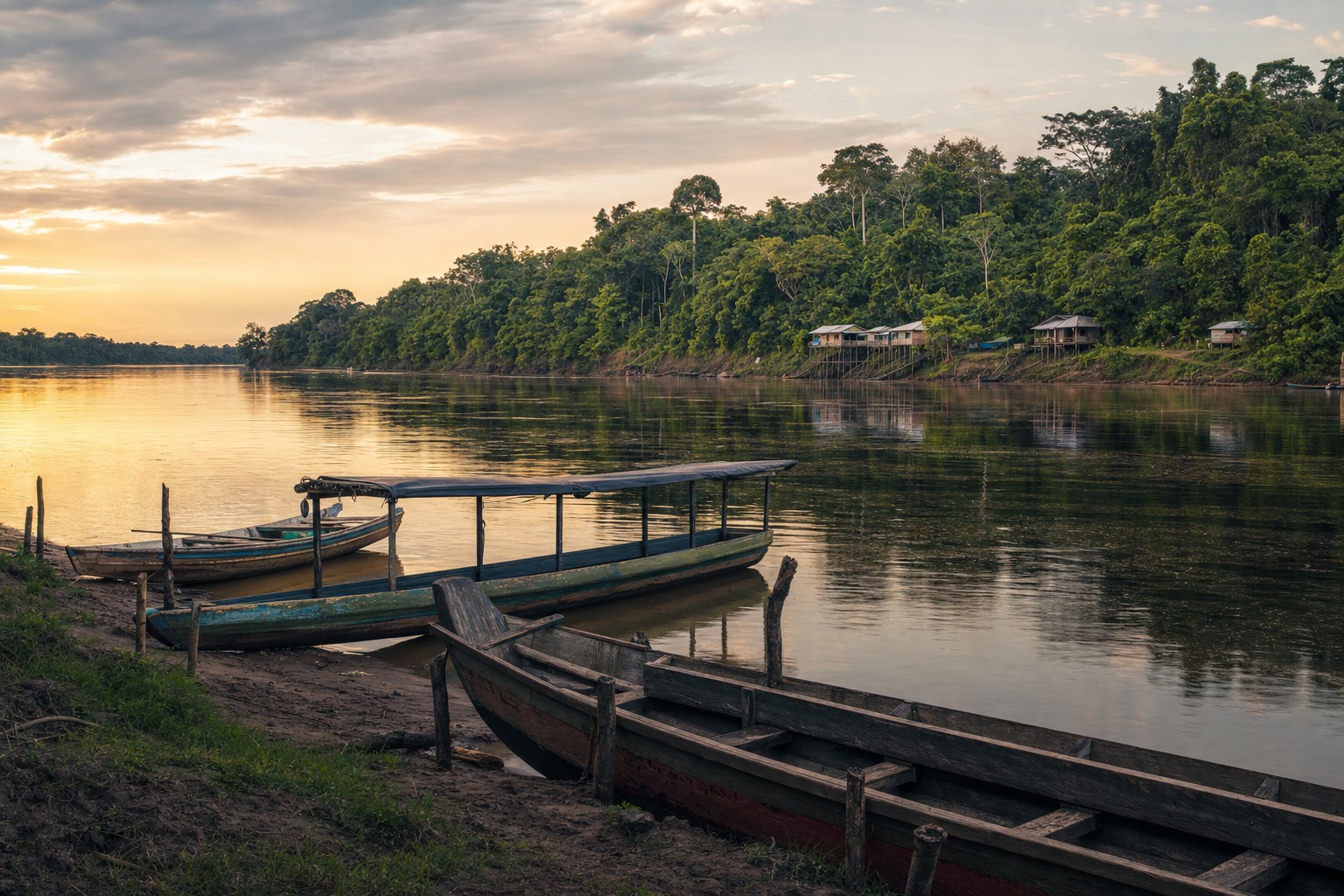
Iquitos / Amazonon request5 nights to 2 weeksmax 10 guests
Dreamglade
★ 5 across 182 Google reviews
Confirmed operating in 2026
Read the full review →
Iquitos / Amazon$545–$4,7255, 7, 8, or 10 days, customizable
Selva Madre Healing Center
★ 4.9 across 154 TripAdvisor
Confirmed operating in 2026
Read the full review →What changes for a Sacred Valley retreat?
Swap humidity for altitude, and repack accordingly. Cusco sits at about 3,400 meters and the Valley towns around 2,800 to 2,900, which means strong sun, thin dry air, warm days, and genuinely cold nights, a different planet from Iquitos. The jungle list above loses the rain-forest emphasis and gains real layers: a warm fleece or down jacket for evenings, a proper hat and sunscreen for the UV, lip balm and moisturizer for the dryness, and a water bottle you actually use, because altitude dehydrates quietly.
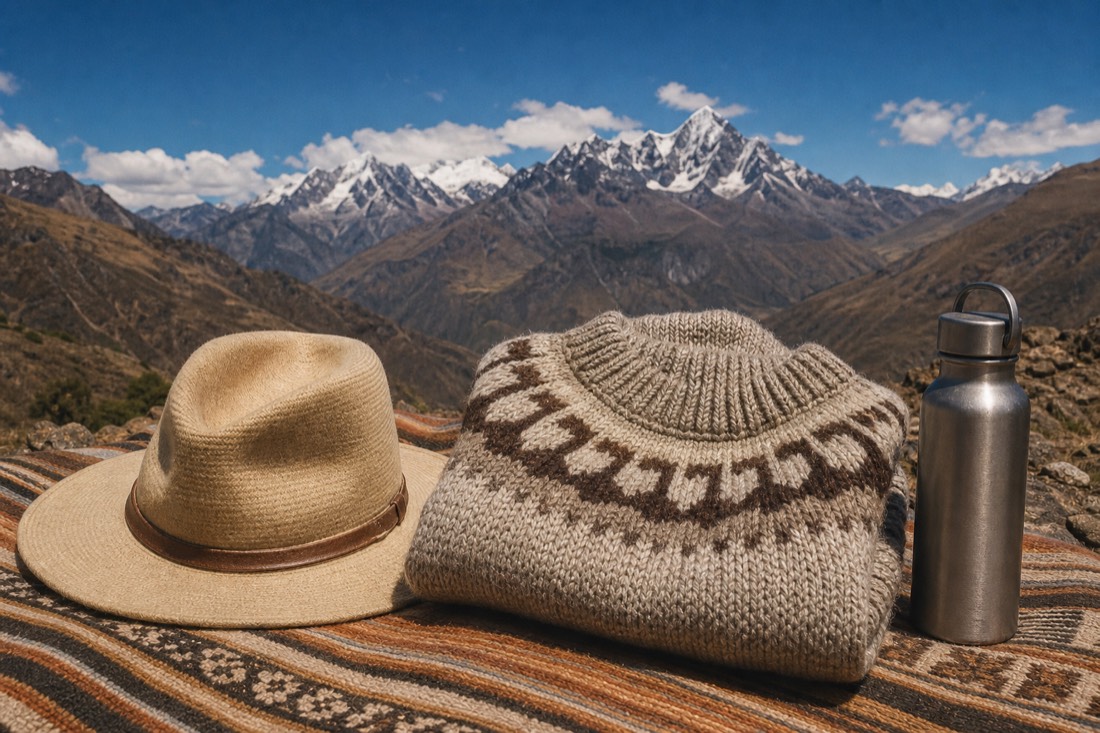
Ceremony nights especially run cold in the mountains; centers provide blankets, but your own warm base layer is the difference between settling in and shivering through. Give yourself two days to acclimatize before ceremony, and if you are stacking a retreat with the Machu Picchu circuit, the sequencing and altitude math is worked out day by day in our ayahuasca and Machu Picchu itinerary. Still deciding between the two regions entirely? The jungle versus Valley comparison settles most people quickly, and if your shortlist is down to two centers in different regions, send it to us and we will tell you which bag you should be packing, free.